
Understanding Seamless Living
Defining the Concept of Seamless Living
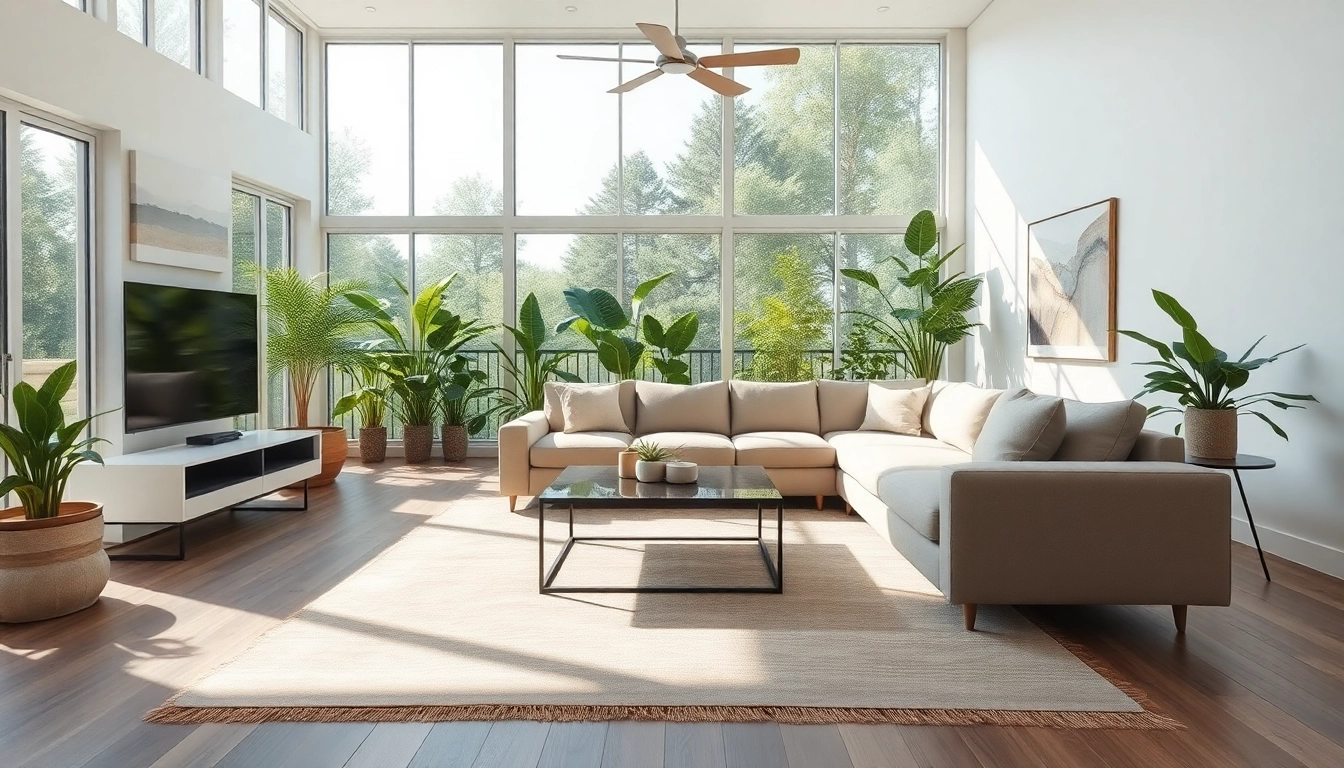
Seamless Living is an innovative approach to home design that promotes an environment characterized by harmony and functionality. It emphasizes the integration of aesthetic elements with practical living needs, creating spaces that feel open, fluid, and inclusive. This concept transcends mere decor; it’s about establishing a lifestyle that prioritizes ease and comfort within various living environments. By embracing this philosophy, homeowners can transform their living spaces into personalized sanctuaries that reflect their unique lifestyles without the clutter often associated with conventional layouts. This approach is ideal for anyone looking to foster a tranquil and organized home life, and is captured beautifully in the principles of Seamless Living.
The Benefits of a Seamless Living Environment
Adopting a seamless living environment brings numerous benefits that extend beyond aesthetics. One of the primary advantages is enhanced mental well-being. A clean and cohesive space contributes to reduced stress and anxiety levels, fostering an atmosphere conducive to relaxation and mindfulness. Additionally, seamless living promotes efficiency; designs that maximize flow can minimize the time spent on daily chores, making the space more functional.
Moreover, seamless living encourages creativity. With less clutter and distraction, individuals can focus better on their tasks or hobbies, leading to increased productivity. Environmentally, this approach can lead to more sustainable choices, such as using multi-functional furniture that reduces the need for excess items, thus reducing waste.
Common Misconceptions about Seamless Living
Despite its growing popularity, many misconceptions surround seamless living. One prevalent myth is that it requires a significant budget. In reality, creating a seamless environment can be achieved with strategic planning and conscious choices, often without breaking the bank. Another common misconception is that seamless living is exclusive to large spaces. On the contrary, this philosophy is especially valuable in smaller homes, where maximizing every inch of space becomes essential.
Lastly, some believe seamless living equates to minimalism. While minimalism emphasizes owning fewer items, seamless living focuses more on creating harmony and flow—an environment that is both functional and aesthetically pleasing. These misunderstandings often deter individuals from exploring the full potential of a seamless living space.
Design Principles for Seamless Living
Color Schemes and Aesthetics for Harmony
Color plays a pivotal role in establishing a seamless living environment. A well-chosen color palette can unify various elements within a space, creating a sense of coherence and tranquility. To achieve this, opt for a limited color scheme comprised of neutral shades complemented by accent colors that reflect personal style. Earth tones, soft pastels, and monochromatic palettes often work well to enhance the relaxing atmosphere of seamless living.
Incorporate textures and patterns mindfully. While a uniform color scheme can unify a space, introducing different textures—such as a woven rug, smooth wooden surfaces, or a plush sofa—adds depth and interest without overwhelming the senses. Balance is essential; select patterns that echo the overarching theme of the room and avoid chaotic clashes that disrupt harmony.
Furniture Layout to Enhance Flow
The arrangement of furniture is crucial for maintaining the flow of a seamless living environment. Begin by identifying natural pathways through your space; furniture should be positioned to facilitate movement rather than obstruct it. Consider the purpose of each area; for instance, a living room layout should invite conversation while maintaining a sense of openness.
Utilizing open floor plans can also enhance this flow. When designing interconnected spaces, ensure that each area retains its unique identity while harmonizing with adjacent zones. For smaller homes, modular furniture is an excellent choice, allowing flexibility in arrangement based on the current needs of the household.
Incorporating Natural Elements Seamlessly
Connecting with nature is integral to achieving a seamless living environment. Natural elements, such as houseplants, wooden furniture, and natural light, play a vital role in establishing a refreshing ambiance. Incorporate greenery through potted plants, vertical gardens, or terrariums, which can add life and color to your space while improving air quality.
Natural materials, like stone and wood, not only lend warmth to interiors but also serve as reminders of the outdoor world. When planning layouts, prioritize ample windows and open spaces that allow natural light to filter in, blurring the line between interior and exterior. This infusion of nature fosters a sense of peace and well-being, aligning perfectly with the principles of seamless living.
Practical Steps to Achieve Seamless Living
Decluttering for Open Spaces
A significant step towards achieving seamless living is decluttering. Regularly assess belongings and remove items that no longer serve a purpose or bring joy. Focus on keeping only essential items that contribute to the overall aesthetic and functionality of the space. Employ storage solutions creatively. Use decorative baskets, streamlined furniture with hidden compartments, or multi-functional shelving to minimize visible clutter.
Engaging in the decluttering process can be invigorating and liberating. Create a system that encourages regular reassessment—perhaps a seasonal evaluation to ensure that your living space remains aligned with the values of seamless living.
Choosing Multi-Functional Furniture
Multi-functional furniture is an excellent solution for maximizing space in a seamless living environment. Look for items that can serve more than one purpose, such as ottomans that double as storage or coffee tables that expand into dining surfaces. Sofa beds are another popular choice that combines comfort and utility, making them ideal for smaller spaces.
Incorporating such intelligent design choices not only saves space but also enhances the functionality of a room, allowing individuals to adapt their spaces dynamically as their needs evolve or change.
Creating Zones without Barriers
Creating distinct zones within an open space can help maintain the seamless living philosophy. Use rugs, furniture placement, or strategic lighting to delineate areas without erecting physical barriers. For instance, a living area can be defined through seating arrangements while still feeling connected to the dining area.
Design elements like room dividers, bookcases, or even visual art can serve to outline these zones while maintaining an open feel. This method fosters interaction across spaces while allowing individuals to enjoy privacy in their designated functions, all crucial aspects of seamless living.
Maintaining a Seamless Living Space
Routine Organizing Techniques
Maintaining a seamless living environment requires consistent effort. Develop a routine for organizing that fits your lifestyle. Set dedicated times, whether weekly or monthly, to reassess your space and keep belongings in their proper places. Simple techniques like the “one in, one out” rule can prevent clutter from accumulating—each time you bring a new item in, remove an old one.
Utilizing organizational tools such as storage bins, labels, and checklists can streamline this process, better integrating organization into your daily life.
Seasonal Re-evaluation of Spaces
As seasons change, so do our needs and preferences. Schedule a comprehensive re-evaluation of your living space each season, allowing for adjustments based on weather changes and lifestyle shifts. During this time, assess not only the functionality and aesthetics of each space but also how well they serve your current lifestyle. This practice can breathe new life into your home, fostering an ongoing commitment to upholding seamless living principles.
Incorporating Personal Touches
Personal touches are essential in cultivating a seamless living environment. Display meaningful decor, photographs, or art that resonates with your identity. These elements not only enhance the ambience but also ensure that your living space feels uniquely yours, reflecting your journey and values.
Balance personal items with functional decor to maintain a clean aesthetic. The goal is to achieve a space that feels warm and inviting without overwhelming the senses.
FAQs about Seamless Living
What is the essence of Seamless Living?
Seamless Living embodies a harmonious and functional design that enhances comfort and flow within a space.
How can I create a seamless flow in my home?
Utilize open floor plans, consistent color palettes, and well-placed furnishings to maintain visual harmony.
What types of furniture are ideal for Seamless Living?
Opt for multi-functional pieces like sofas that can transform into beds and tables that double as storage.
How can nature be integrated into Seamless Living?
Incorporating greenery, natural materials, and ample sunlight can create a refreshing and inviting atmosphere.
Is Seamless Living suitable for small spaces?
Absolutely! Seamless Living adapts beautifully to small spaces through smart design choices and organization.


