
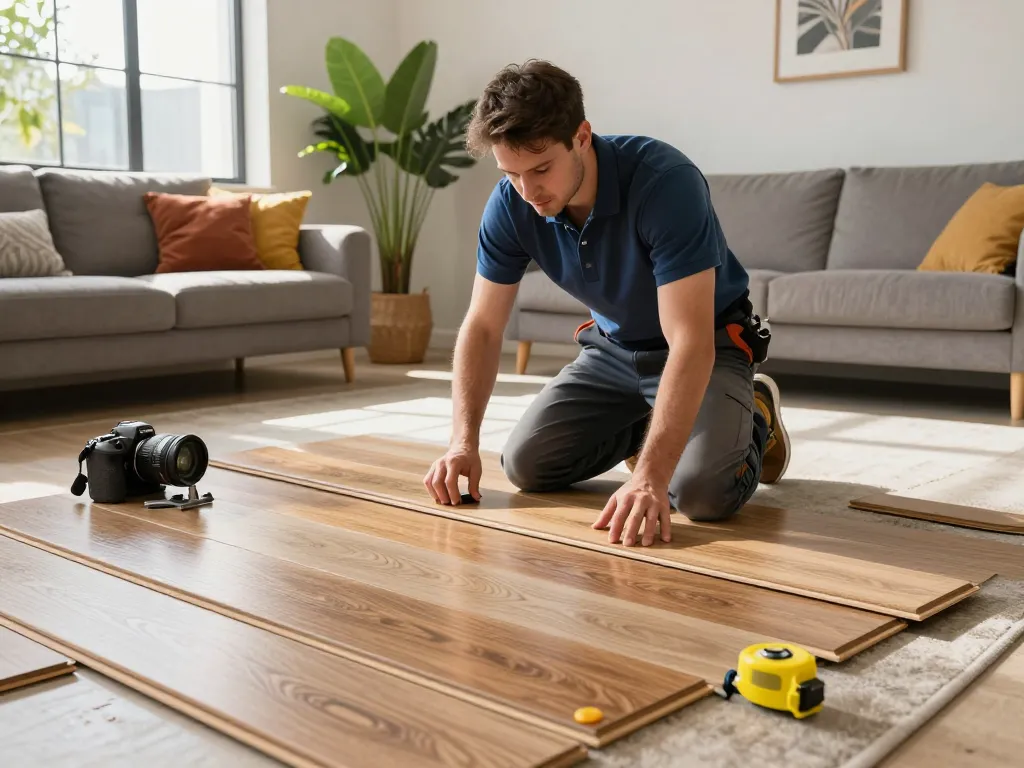
Understanding Flooring Options Available in 2026
The world of flooring has evolved significantly, offering a plethora of choices for homeowners looking to elevate their spaces. From aesthetic appeal to durability, the right type of flooring can drastically change the look and feel of a home. In 2026, homeowners have more options than ever, with innovative materials and designs that cater to diverse tastes and needs. If you’re unsure where to start or how to find knowledgeable experts, consulting flooring specialists near me can provide valuable insights into the best choices for your project.
Popular Flooring Types to Consider
Homeowners today are faced with various flooring options, each with unique advantages and styles. Here are some popular choices in 2026:
- Hardwood Flooring: Known for its timeless appeal and natural beauty, hardwood flooring remains a favorite. It is durable, easy to maintain, and can add significant value to your home.
- Luxury Vinyl Plank (LVP): This flooring option mimics the look of natural wood or stone at a lower cost. It is water-resistant and easy to install, making it ideal for kitchens and bathrooms.
- Laminate Flooring: Laminate is a cost-effective option that provides a similar aesthetic to hardwood, making it a popular choice for budget-conscious homeowners.
- Tile Flooring: Tiles are versatile and available in various materials, including ceramic, porcelain, and stone. They are particularly good for wet areas due to their water resistance.
- Carpet: While not as popular in some areas, carpets provide comfort and warmth, making them suitable for bedrooms and living rooms.
Advantages of Professional Installation
While DIY projects can be appealing, hiring professionals for flooring installation can save you time and potential hassles. Here are several reasons to consider professional installation:
- Expertise: Professionals have the skills and experience to ensure that the flooring is installed correctly, minimizing future issues such as warping or gaps.
- Time-Saving: Installation can be time-consuming, especially for complex flooring types. Professionals can often complete the work faster.
- Warranty Protection: Many manufacturers require professional installation to maintain warranties, providing peace of mind regarding future repairs.
Latest Trends in Flooring Designs
In 2026, flooring trends are shifting towards sustainability and personalization. Homeowners are increasingly interested in eco-friendly materials, such as bamboo and reclaimed wood, which minimize environmental impact. Additionally, unique patterns and textures are becoming popular, allowing homeowners to express their style. The integration of technology, such as radiant heating beneath tile or hardwood, is also a significant trend in modern homes.
How to Choose the Right Flooring Specialist Near You
Selecting the right flooring specialist is crucial to achieving the desired outcome for your flooring project. It’s essential to consider various factors to ensure you make the right choice.
Criteria for Selecting Flooring Experts
When searching for flooring specialists, consider the following criteria:
- Experience: Look for specialists with a proven track record and years of experience in the industry.
- Specialization: Find experts who specialize in the type of flooring you are interested in, be it hardwood, tile, or carpet.
- Licensing and Insurance: Ensure that the contractors are licensed and insured to protect your interests during the project.
- Portfolio: Review their previous work to gauge their style and quality of craftsmanship.
Questions to Ask Potential Installers
Before hiring a flooring installer, it’s crucial to ask the right questions to assess their suitability:
- What types of flooring do you specialize in?
- Can you provide references from past clients?
- What is the estimated timeline for my project?
- What are your payment terms and conditions?
- Do you offer warranties on your work?
Checking Reviews and References Effectively
Online reviews and references can provide valuable insight into a specialist’s reliability and quality. Look for reviews on reputable platforms, and don’t hesitate to contact previous clients for their opinions. A flooring specialist with consistent positive feedback is more likely to meet your expectations.
The Importance of Quality Materials in Flooring
Investing in quality flooring materials can significantly impact the longevity and aesthetics of your flooring. Here’s what you need to know about choosing the right materials.
Top Brands Recommended by Experts
Several flooring brands are renowned for their quality and durability. Brands like Mohawk, Shaw, and Armstrong are frequently recommended by professionals for their innovative products and extensive warranties. Researching these brands can guide you toward reliable options for your flooring project.
Cost Comparison: DIY vs Professional Installation
The decision between DIY and professional installation often comes down to costs. While DIY may seem cheaper upfront, potential long-term costs could arise from improper installation or material damage. Professional installers might have higher initial costs, but their expertise can save you money over time through quality work.
Long-term Value of Quality Flooring
Quality flooring can significantly enhance your home’s value. Real estate experts consistently report that homes with high-quality flooring options sell faster and for more money. Investing in durable, aesthetically pleasing flooring is a strategic move for homeowners looking to increase their property value.
Steps to Prepare Your Home for Flooring Installation
Preparation is key when installing new flooring. Following careful steps can ensure a seamless installation process.
Assessing Your Space and Needs
Before the installation begins, assess your space to determine the most suitable flooring type. Consider factors such as foot traffic, moisture levels, and your home’s overall style. This assessment will help you make informed decisions about your flooring choices.
What to Expect During Installation
Understanding the installation process can alleviate concerns. Most flooring installations will involve removing old flooring, preparing the subfloor, and carefully laying out the new materials. Depending on the type of flooring, the installation timeline can vary, so it’s essential to discuss this with your contractor.
Post-installation Care and Maintenance Tips
Once your new flooring is installed, it’s crucial to follow maintenance guidelines to ensure its longevity. Regular cleaning and appropriate protective measures, such as area rugs in high-traffic areas, will keep your flooring looking new. Each flooring type has specific maintenance requirements, so consult your installer for tailored advice.
Future Trends in Flooring: What to Expect in 2026 and Beyond
The flooring industry is continually evolving, adapting to changes in consumer preferences and technological advancements. Here are some trends to watch for in the coming years:
Eco-friendly Flooring Solutions on the Rise
As sustainability becomes a prominent concern, eco-friendly flooring options are gaining traction. Products made from recycled materials and sustainably sourced woods will likely dominate the market, appealing to environmentally-conscious consumers.
Technological Innovations in Flooring Installation
Technology is set to revolutionize flooring installation processes. Innovations such as 3D printing and augmented reality are beginning to influence design capabilities, offering personalized solutions in ways never seen before.
Emerging Aesthetics and Design Inspirations
Consumer preferences are shifting towards unique aesthetics that reflect individual styles. Designers are embracing bold colors, intricate patterns, and innovative textures, making flooring a focal point in modern interior design.
How much does it cost for someone to do your flooring?
The average cost of flooring, including installation, hovers around £25 to £80 per square meter, depending on materials and complexity. Various factors can influence these costs, such as the type of flooring selected and the size of the installation area.
How to find a reputable flooring installer?
The best place to locate a good flooring installer is by going to a flooring supplier. Ask them for recommendations. They will be familiar with several good installers and will likely provide contact information for a few of them. It’s advisable to call multiple contractors to find the most suitable one for your needs.
How much does it cost to install 1000 square feet of flooring?
For a 1,000 square foot project, budget between $1,500 and $5,500 for a quality installation, depending on the materials chosen and the complexity of the installation. Factors such as material costs, labor, and any additional features will dictate the final price.
Is it a good idea to get flooring done by the builder or a flooring company?
If you prefer to minimize disruption to your home and lifestyle, hiring a flooring contractor can be beneficial. They will take all possible steps to ensure the installation goes as smoothly as possible, allowing you to start enjoying your new floor without delay.
What are the latest flooring trends in 2026?
In 2026, trends lean toward eco-friendly solutions, technological advancements, and personalized design preferences. Consumers are increasingly interested in sustainable materials, while innovations in installation technology promise to enhance efficiency and quality in the flooring industry.


