
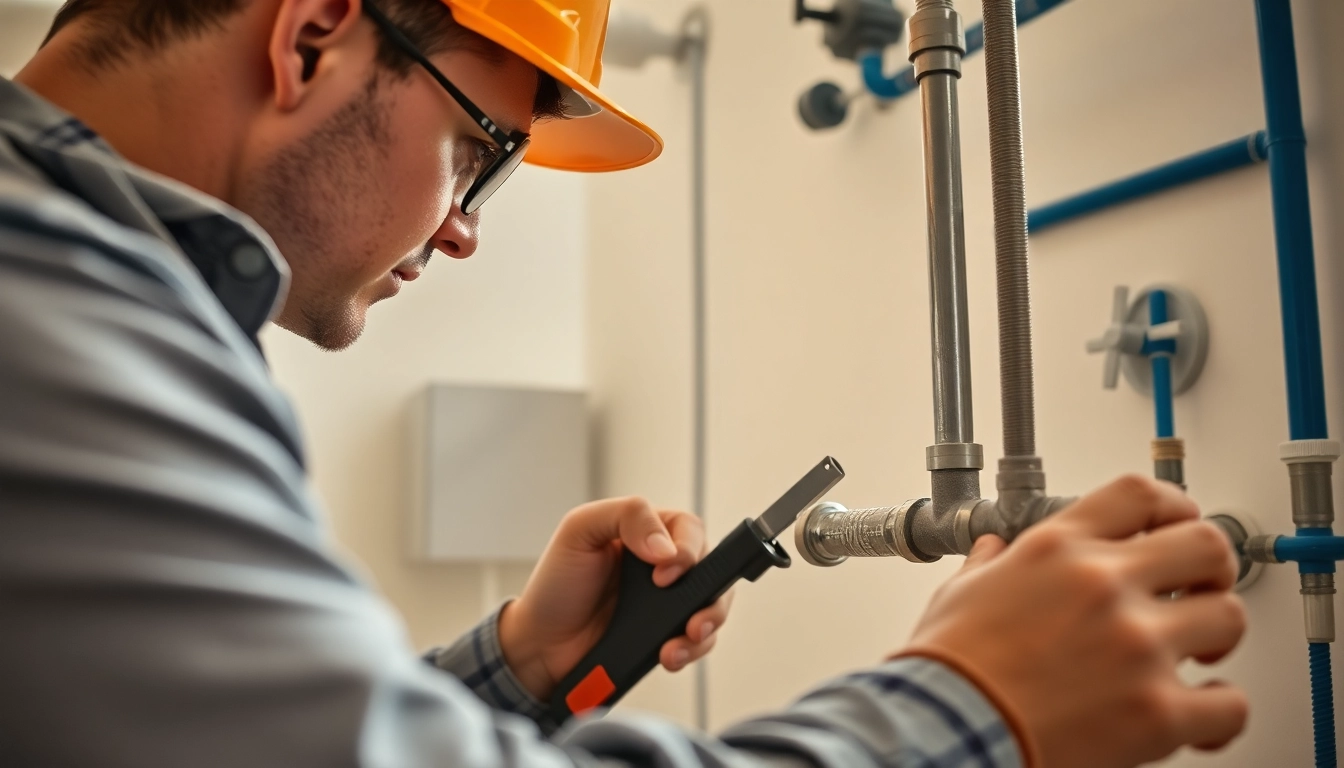
Understanding Whole House Repiping Services Tampa
What is Whole House Repiping?
Whole house repiping is the process of replacing all the water supply pipes in a home. It is often necessary when existing pipes have deteriorated due to age, corrosion, or wear and tear. This service ensures that your plumbing system functions optimally, providing clean water while preventing leaks and other plumbing issues. Many homeowners in Tampa are turning to whole house repiping services Tampa to modernize their plumbing and enhance their home’s value.
Benefits of Whole House Repiping Services Tampa
Investing in whole house repiping comes with several compelling benefits:
- Improved Water Quality: New pipes are free from contaminants, ensuring that the water you drink and use is clean and safe.
- Enhanced Water Pressure: Older pipes can become clogged with mineral deposits and corrosion, reducing water pressure. Repiping restores optimal flow.
- Reduced Risk of Leaks: By replacing aging infrastructure, homeowners can significantly decrease the chances of water damage caused by leaks.
- Increased Home Value: A modern plumbing system is a strong selling point for potential buyers, representing a valuable investment.
- Longer Lifespan: New pipes typically have a longer lifespan and improved durability compared to outdated materials.
Key Signs You Need Repiping
Recognizing when it’s time for repiping can save homeowners significant future expenses. Here are some key signs to look for:
- Frequent Leaks: If leaks are common in your home, it suggests your pipes are failing.
- Corrosion: Visible rust or corrosion on your pipes indicates they are deteriorating and may require replacement.
- Low Water Pressure: Consistently low pressure can be a sign of blockages or pipe wear.
- Discolored Water: Reddish or brown water can indicate rusting pipes or buildup inside.
- Unusual Noises: Banging or gurgling sounds in your plumbing system may point to issues with aging pipes.
The Repiping Process Explained
Initial Assessment and Inspection
The first step in the repiping process is an extensive assessment and inspection of your existing plumbing system. This includes evaluating the type of pipes currently in use, identifying problem areas, and determining the best materials for replacement. Professionals typically employ modern technology, such as video camera inspections, to accurately diagnose plumbing issues without invasive procedures.
Material Options for Repiping
Various materials are available for home repiping, each with its own advantages:
- Copper: Known for its durability and resistance to corrosion, copper is a popular choice but can be expensive.
- PEX: PEX pipes are flexible plastic that can be easily installed and are resistant to scale and chlorine, making them a cost-effective option.
- CPVC: CPVC pipes are another plastic option; they are affordable, resistant to corrosion, and suitable for both hot and cold water.
- Galvanized Steel: While once common, galvanized steel is prone to rust; this option is less favored for repiping.
Steps Involved in the Repiping Process
The repiping process typically unfolds in distinct phases:
- Preparation: Turn off the water supply and gather necessary permits.
- Pipe Removal: Carefully remove old, damaged pipes, taking precautions to protect walls and other infrastructures.
- Installation of New Pipes: Install new piping according to local codes and regulations, ensuring all connections are secure.
- Testing the System: After installation, conduct water pressure tests and inspections to ensure there are no leaks.
- Cleanup and Restoration: Restore walls, floors, and other areas affected during the repiping process.
Cost Factors Influencing Whole House Repiping
Typical Costs for Repiping Services
The cost of whole house repiping can vary widely based on factors such as the size of the home, the complexity of the plumbing, and the materials selected. On average, homeowners might expect costs to range from $4,000 to $15,000. Larger homes or those with more complicated plumbing systems can exceed this range. It’s important to consult a professional for an accurate estimate.
How to Budget for Repiping
When budgeting for repiping, consider all associated costs. In addition to material and labor expenses, there may be costs related to permits, the restoration of walls or floors, and any potential upgrades to fixtures. It’s advisable to allocate at least 10-20% above your estimated costs to cover any unforeseen issues that arise during the project.
Cost-Saving Tips for Repiping
Homeowners can implement various strategies to save on the cost of repiping:
- Get Multiple Quotes: Always seek estimates from several plumbing companies to ensure competitive pricing.
- Choose Cost-Effective Materials: Discuss optional materials and their cost implications with your plumbing professional.
- Plan during Off-Peak Times: Scheduling repiping during off-peak seasons might fetch lower rates.
- Stay Proactive: Regular maintenance and early repairs can prevent the need for complete repiping.
Choosing the Right Plumbing Service for Repiping
What to Look for in a Plumbing Company
Finding a reliable plumbing service for repiping is essential. Here are the qualities to consider:
- Experience: Look for a company with extensive experience in repiping, ensuring they are familiar with various scenarios.
- Licensing and Insurance: Verify that the plumbing service is fully licensed and insured to protect yourself from liability.
- Transparent Pricing: Choose a company that provides clear estimates and no hidden fees.
- Warranty: A good plumbing service often offers warranties on their work and materials.
Questions to Ask Before Hiring
To ensure you make an informed decision when hiring a plumbing service, consider asking:
- How long have you been in business?
- Can you provide references from past clients?
- What is included in your estimate?
- What materials do you recommend and why?
- How will you handle potential issues that arise during the project?
Reading Reviews and Testimonials
Reading customer reviews and testimonials can provide invaluable insights into the quality of a plumbing service. Look for patterns in customer feedback about communication, reliability, and workmanship. Platforms like Yelp, Google, and social media can be beneficial resources for this research.
Post-Repiping Maintenance and Best Practices
How to Care for New Plumbing Systems
After repiping, following care guidelines can prolong the life of your new plumbing system:
- Avoid Chemical Drain Cleaners: Use natural alternatives to prevent damaging pipes.
- Monitor Water Pressure: Maintain proper water pressure to prevent stress on the pipes.
- Flush the System: Regularly flushing your plumbing can remove sediment buildup.
Signs of Potential Pipe Issues
Even after repiping, it’s vital to remain vigilant for signs of potential pipe issues, such as:
- Identifying water stains on walls or ceilings.
- Experiencing a sudden drop in water pressure.
- Seeing water pooling around the foundation of your home.
- Hearing sounds of running water when all fixtures are turned off.
When to Schedule Routine Inspections
It’s recommended to schedule regular plumbing inspections at least once every two years. These inspections can help catch minor issues before they develop into major problems. Additionally, if you notice any of the signs of potential pipe issues mentioned above, it’s wise to contact a plumbing professional immediately.
Frequently Asked Questions
What is the average timeline for a repiping project?
The average timeline for a repiping project ranges from one to three days, depending on the size and complexity of the home.
Is repiping necessary for all homes?
Not all homes require repiping; however, older homes with deteriorating plumbing systems may benefit significantly from this service.
Can I stay in my home during repiping?
Yes, many homeowners remain on-site during repiping, though certain areas may be temporarily inaccessible.
What materials are the best for repiping?
PEX and copper are commonly recommended for their durability and efficiency, each with unique benefits to consider.
Will my insurance cover the repiping costs?
Coverage varies by policy; check with your home insurance provider to see if plumbing upgrades are included.


