
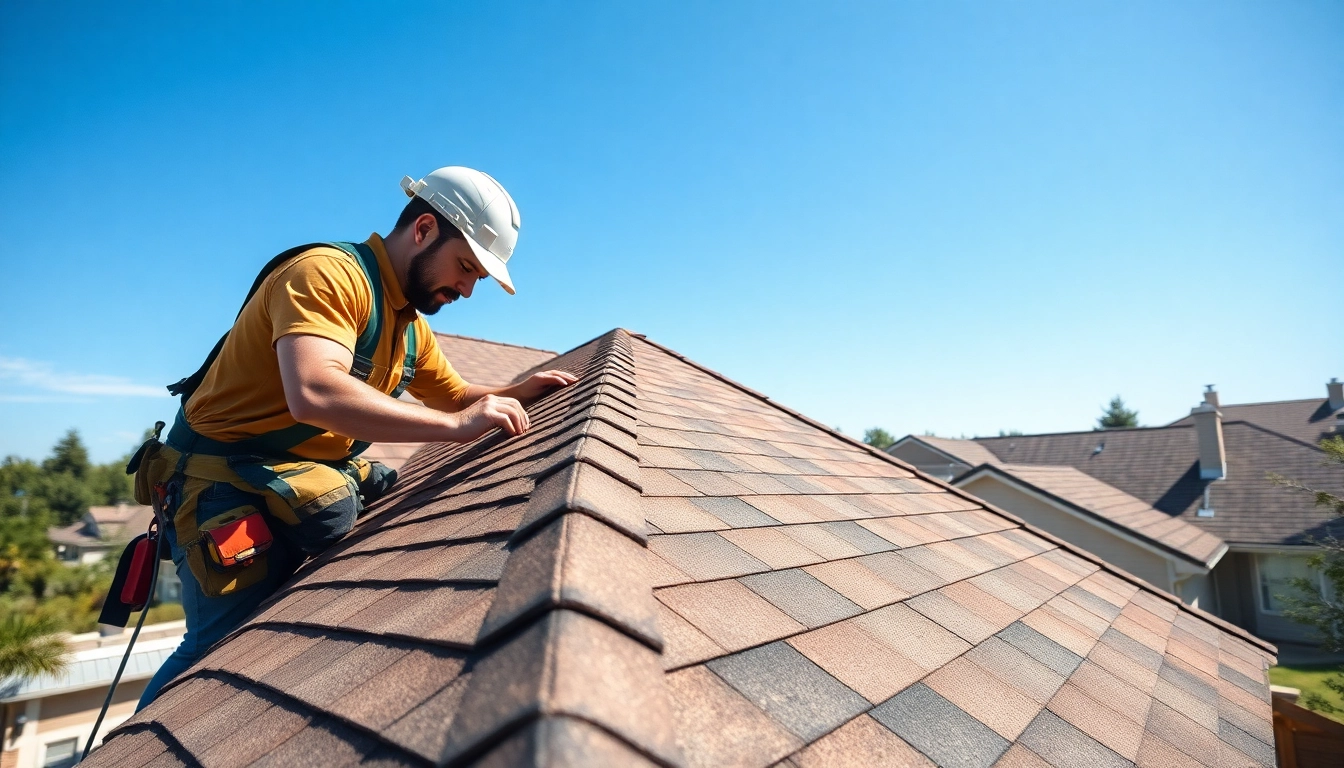
Understanding the Roofing Company Landscape
When homeowners embark on the journey of maintaining or upgrading their residences, the role of a Roofing company cannot be overstated. These specialists are pivotal in ensuring that roofs are not only functional but also aesthetically pleasing and sustainable. An awareness of the roofing industry landscape is vital for making informed decisions about your home’s longevity and safety. This article delves deeply into the various aspects that shape the roofing company market, aiming to equip you with knowledge and insight.
The Role of a Roofing Company in Home Maintenance
Roofing companies serve a central role in home maintenance by ensuring the integrity of the roof structure—arguably one of the most critical components of any home. A well-maintained roof protects against weather elements, enhances energy efficiency, and contributes to the property’s overall value. Furthermore, roofing specialists are adept at identifying problems that may not be evident to the untrained eye, such as slight leaks, deteriorating materials, and structural defects. By incorporating regular inspections into homeowner maintenance routines, roofs can be preserved and lifespan extended, aligning with long-term cost-saving strategies.
Key Services Offered by Roofing Companies
Roofing companies provide a variety of services that fall under three main categories: installation, repair, and maintenance. Installation services often involve both new roofs for recently constructed homes and replacement roofing systems for older properties. Repair services may target specific issues like leaks, storm damage, or general wear and tear. Maintenance options typically encompass routine inspections and treatments to prevent the onset of significant issues, ensuring roofs remain in peak condition. Understanding the full range of these services can help ensure homeowners make informed choices that best suit their needs.
Types of Roofing Services Explained
Residential vs. Commercial Roofing Services
Residential and commercial roofing services differ significantly in various aspects, including materials used, project size, and regulatory considerations. Residential roofing prioritizes aesthetic appeal and energy efficiency, often utilizing materials such as shingles, tiles, or metal installations that enhance a home’s character. In contrast, commercial roofing includes larger, flat systems such as single-ply membranes or built-up roofing that emphasize functionality and durability under diverse environmental conditions. Understanding these differences ensures businesses and homeowners alike can select the right approach tailored to their specific requirements.
Preventive Maintenance and Repair Solutions
Preventive maintenance is key to prolonging a roof’s lifespan and minimizing repair costs in the long run. Regular inspections uncover issues such as accumulated debris, damaged flashing, and degraded sealants. Implementing a preventive maintenance plan can mean scheduling inspections semi-annually or after adverse weather events. Repair solutions can range from simple patching to more extensive work, depending on the severity of the damage. Homeowners are encouraged to work closely with their roofing company to establish a comprehensive roof maintenance plan that prolongs the roof’s life and safeguards the home.
Roof Replacement: When and Why to Consider
Roof replacement can be a daunting decision, yet it may be necessary under certain conditions. Common indicators for replacement include age—most roofs have a life expectancy of about 20 to 30 years—extensive damage, or a need for improved energy efficiency. Choosing to replace a roof allows homeowners to address underlying issues, improve insulation, and even update aesthetic choices. Consulting with a roofing professional can provide clarity on whether repair or replacement is the more suitable option based on an analysis of the existing roof’s condition.
Evaluating Roofing Materials
Popular Roofing Materials and Their Benefits
The choice of roofing materials significantly affects the longevity, durability, and appearance of the roof. Some of the most popular materials include asphalt shingles, metal roofing, wood shakes, and tile. Asphalt shingles stand out for their affordability and versatility. Metal roofs offer superior durability and a longer lifespan, often appealing to environmentally conscious homeowners due to their recyclability. Wood shakes provide stunning aesthetics and natural insulation, while tile roofs are recognized for their long-lasting performance and energy efficiency. Each of these materials comes with unique benefits that can suit different homeowner preferences and budgets.
Durability and Lifespan of Different Roofing Materials
Durability varies significantly across different roofing materials, which influences how long they can remain functional. For example, asphalt shingles typically last around 20 to 30 years, while metal roofs may endure up to 50 years or longer with proper maintenance. Tile roofs can also offer longevity, often lasting over 100 years. When selecting roofing materials, the owner’s tolerance for roofing maintenance and repairs should guide their decisions, as higher durability often correlates with greater initial investment.
Eco-Friendly Roofing Options Available
With an increasing emphasis on sustainability, eco-friendly roofing options have gained traction. Green roofs, which involve a layer of vegetation, promote insulation and reduce urban heat. Materials like recycled shingles, metal, and rubber also provide sustainable choices for homeowners striving for greener living. Additionally, energy-efficient roofing products can reduce utility costs and carbon footprints. Presenting options that align with eco-friendly initiatives allows homeowners to make environmentally responsible choices while benefiting from cost-effective solutions.
Preparing for a Roofing Project
What to Expect from the Roofing Process
Embarking on a roofing project requires preparation and a clear understanding of what the process entails. Homeowners should expect an initial assessment followed by a detailed estimate outlining the scope of work, timelines, and projected costs. Once work begins, communication is crucial—homeowners need to remain in contact with their roofing contractor to address any developing issues or necessary adjustments to scheduling. Finally, once the project is completed, inspections ensure that everything meets local building codes and the client’s expectations.
Cost Considerations and Budgeting for Your Roof
Roofing costs can vary widely based on several factors, including the materials chosen, labor charges, and the nature of the project. Homeowners should budget not just for the installation or replacement itself but also consider costs for permits, inspections, and potential maintenance in the future. Obtaining multiple quotes from roofing companies can ensure fair pricing and transparency, allowing homeowners to make ethical financial choices while securing their investment.
Finding Reliable Roofing Companies: Best Practices
The search for a reliable roofing company can feel overwhelming, yet adherence to specific best practices can simplify the process. Begin by researching local contractors with positive reviews and a proven history of successful projects. Asking for references and reviewing portfolios can provide insight into their quality of work. Certifications and warranties also signify a reputable contractor, ensuring you receive the best service. Clear communication, transparency in pricing, and a solid contract will further safeguard your interests in the roofing project.
FAQs on Roofing Company Services
What services do most roofing companies offer?
Most roofing companies offer services including roof installations, repairs, inspections, and maintenance plans to ensure overall roof functionality.
How can I identify a reliable roofing company?
Identifying a reliable roofing company involves checking for valid licenses, insurance, customer reviews, and asking for references from previous clients.
What should I consider when selecting roofing materials?
When selecting roofing materials, consider durability, cost, aesthetic appeal, local climate conditions, and potential energy efficiency benefits.
How often should I schedule roof maintenance?
It’s advisable to schedule roof maintenance at least twice a year, as well as after severe weather events to prevent issues from escalating.
What steps should I take before a roofing project starts?
Before a roofing project, homeowners should clear the work area, discuss project details with contractors, and ensure permits are in place.


