
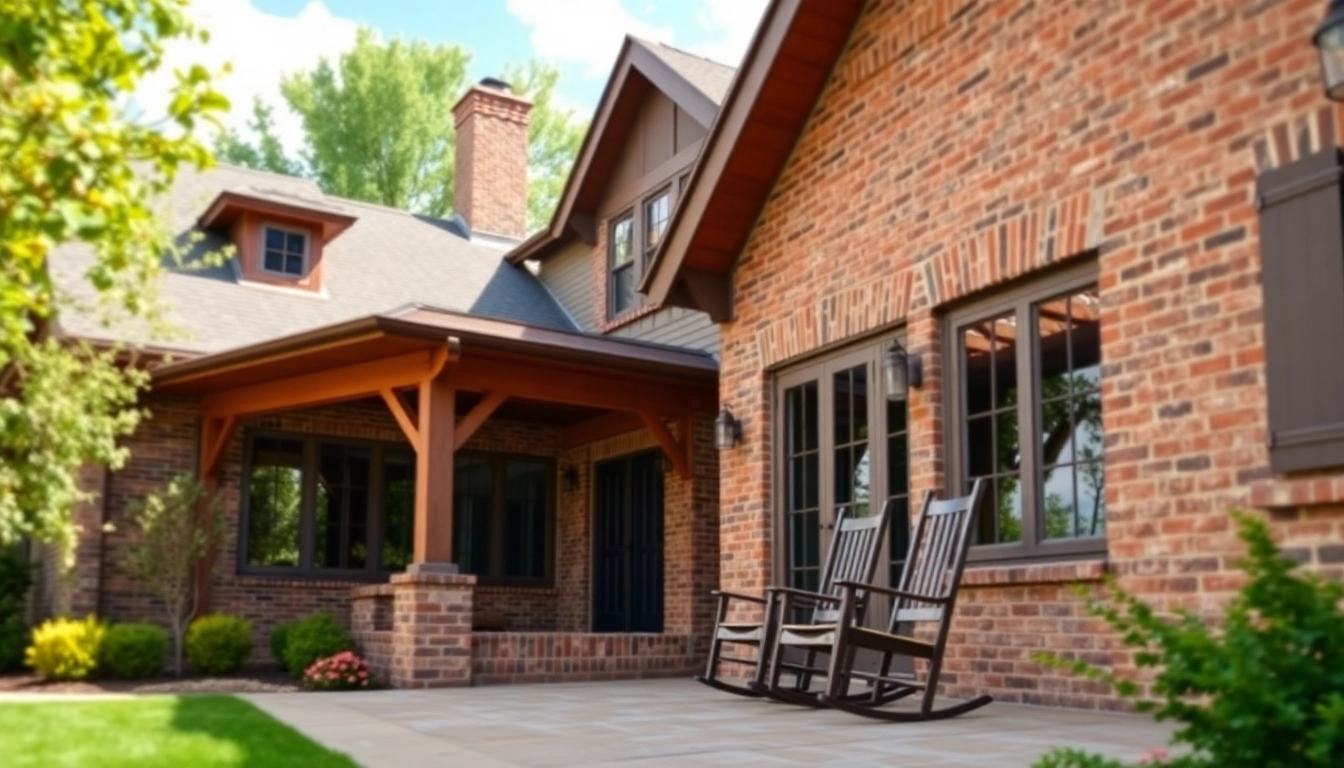
Understanding Colonial Additions
What is a Colonial Addition?
A colonial addition refers to an architectural extension that embellishes an existing colonial-style home. Characterized by classic elements, colonial additions amplify living space while preserving the historical integrity of the original structure. They blend seamlessly with the existing architecture, maintaining traditional aesthetics. Examples of colonial additions may include new bedrooms, living rooms, or even sunrooms that enhance both functionality and beauty. These additions often utilize materials such as wood, brick, and stone to mirror the original designs, creating a cohesive look that feels as if it has always been part of the home.
Historical Significance of Colonial Architecture
Colonial architecture showcases an array of influences stemming from early American settlers, reflecting traditional European designs adapted to local conditions. Characterized by symmetry and proportion, these buildings often feature gabled roofs, brick façades, and multi-paned windows. The significance of this architectural style lies in its representation of a pivotal period in American history, where the fusion of various cultural influences shaped the nation’s built environment. Colonial homes are not just structures; they narrate stories of the past, showcasing the ingenuity and craftsmanship of early builders. By adding to these historic structures with a colonial addition, homeowners can honor this legacy while meeting modern needs.
Common Features of Colonial Additions
When planning a colonial addition, key features typically include:
- Symmetry: Adhering to the traditional balance found in colonial homes.
- Matching Materials: Using bricks, wood, or clapboard that align with the original house.
- Gabled Roofs: Incorporating similar roofing styles to maintain visual unity.
- Window Styles: Installing multi-paned windows that reflect historical designs.
- Outdoor Elements: Using features like porches or porticos to augment the colonial aesthetic.
Planning Your Colonial Addition
Design Considerations and Regulations
Before commencing a colonial addition, several design considerations must be addressed. It is crucial to adhere to local zoning laws and building regulations, which may dictate the size, height, and placement of the addition. Additionally, homeowners should consult with an architect who specializes in colonial architecture to ensure that the design complements the existing structure. This includes selecting appropriate roof lines, materials, and exterior finishes. Furthermore, incorporating sustainable design practices can enhance both the efficiency and appeal of your colonial addition.
Budgeting for Your Project
Budgeting is a fundamental aspect when planning your colonial addition. Average costs range significantly based on factors such as size, location, and the intricacies of design. Homeowners should account for expenses related to permits, material costs, labor, and potential unexpected costs. An effective strategy would be to obtain multiple estimates from contractors to ensure competitive pricing. It’s also wise to include a contingency fund of 10-20% of the total budget to cover any unanticipated expenses, offering peace of mind throughout the building process.
Choosing the Right Materials
Selecting appropriate materials is essential for a harmonious colonial addition. Wood, especially cedar and pine, is prevalent for framing and siding, reflecting traditional colonial practices. Bricks should match the existing home in both color and texture, while stones can also be an elegant choice for foundations or façade accents. Additionally, ensuring that all selections align with local building codes, especially with regards to insulation and energy efficiency, can enhance the addition’s longevity and sustainability.
Benefits of Creating a Colonial Addition
Increased Living Space
One of the primary benefits of a colonial addition is the increased living space it provides. This additional square footage can serve various purposes, such as creating more bedrooms for a growing family, an expansive dining area for entertaining, or a quiet home office. Expanding the home not only improves day-to-day comfort but also enhances the overall functionality of the living environment. With careful planning and design, the new space can seamlessly become a cherished part of the home.
Enhancing Property Value
A well-executed colonial addition can significantly enhance the property value. Real estate experts often note that homes with additional space are more attractive to potential buyers, especially families seeking room to grow. Moreover, by preserving the historic charm while adding modern amenities, homeowners create a unique selling point in their real estate market. This improvement often leads to a higher resale value, ensuring that the investment in the addition yields favorable returns.
Personalizing Your Home’s Aesthetic
Adding a colonial addition is an opportunity to infuse personal style into your home while honoring its historical roots. Homeowners can choose features such as custom cabinetry, unique color palettes, and decorative molding that reflect their tastes. This personalization enhances the overall aesthetic appeal, making the space feel uniquely theirs. Furthermore, the harmony between old and new can create an inviting atmosphere that blends contemporary comforts with classic charm.
Incorporating Modern Elements into Colonial Additions
Balancing Tradition and Modernity
One of the most rewarding aspects of designing a colonial addition is the balance between traditional and modern elements. While it’s essential to retain the characteristic features of colonial architecture, there’s also room for modern conveniences and aesthetics. For instance, an open floor plan can enhance flow while maintaining the exterior façade. Using modern finishes like energy-efficient windows and high-quality insulating materials can ensure that the addition meets contemporary living standards while respecting historical context.
Energy Efficiency and Sustainability
Modern colonial additions present unique opportunities to incorporate energy-efficient technologies and sustainable materials. New developments in insulation, efficient heating and cooling systems, and renewable energy sources can be integrated into the design without compromising classic aesthetics. Using sustainable materials, such as reclaimed wood or low-VOC paints, not only benefits the environment but also contributes to personal health and well-being, creating a holistic living experience.
Smart Home Technologies in Colonial Homes
As smart technologies grow in popularity, incorporating these advancements into colonial additions becomes increasingly viable. Smart lighting, heating, and security systems can be seamlessly integrated while respecting the architectural style. This not only enhances convenience and safety but also can improve energy efficiency, making the home more cost-effective in the long run. The ability to control aspects of the home via smartphones or smart devices provides modern homeowners with greater flexibility and peace of mind.
Frequently Asked Questions
What is the average cost of a colonial addition?
The average cost can range from $100 to $250 per square foot, depending on materials and design.
How long does it take to build a colonial addition?
Typically, a colonial addition may take 3 to 6 months, depending on size and complexity.
Do I need a permit for a colonial addition?
Yes, most areas require permits. Check your local regulations before starting.
Can I do the construction myself?
While DIY is possible, hiring professionals is advisable for quality and compliance with regulations.
What style of colonial addition fits my home?
Your choice should complement your existing architecture; consulting a designer can yield the best result.


