
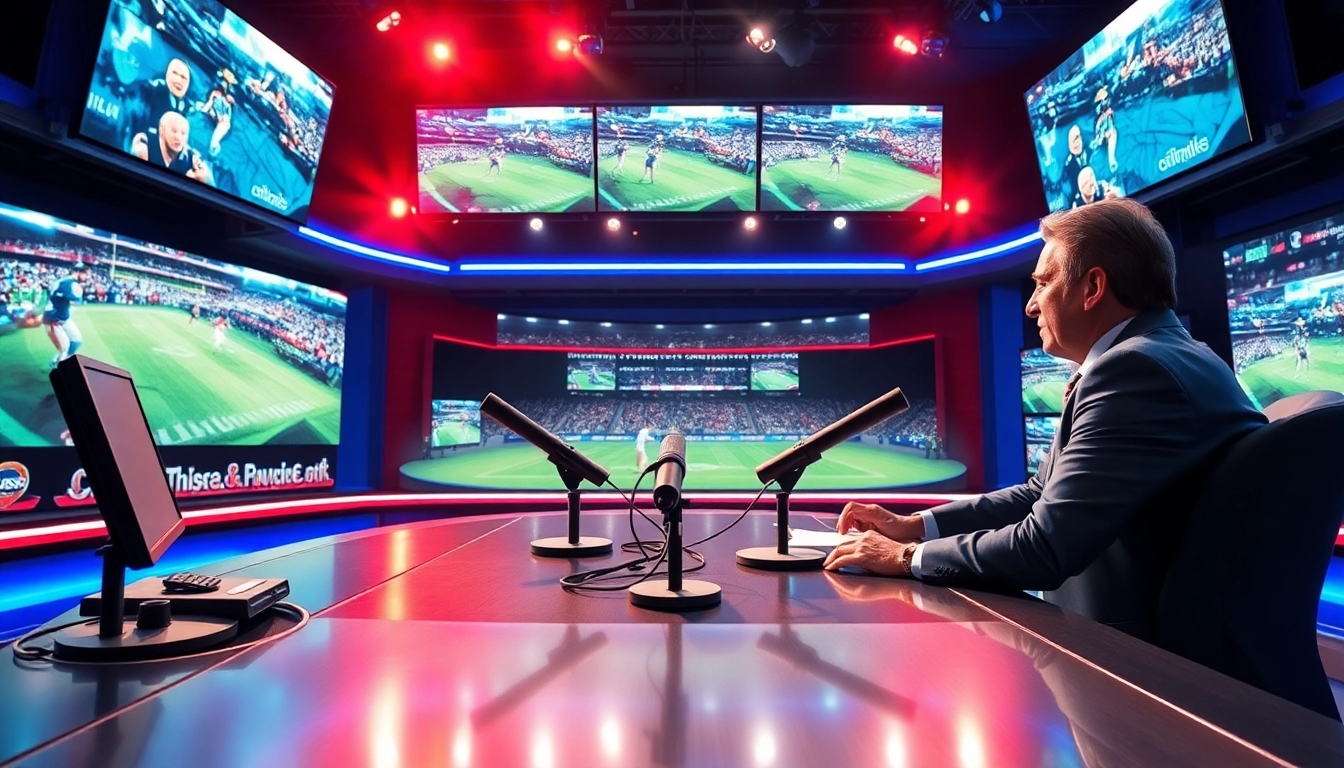
Understanding Sports Broadcasting
What Is Sports Broadcasting?
Sports broadcasting refers to the dissemination of information and commentary about sporting events through television, radio, online platforms, and social media. It serves as the primary medium through which sports enthusiasts experience their favorite teams and athletes. From live commentary during games to highlight reels and post-match analysis, sports broadcasting plays a crucial role in engaging fans and enhancing their experience. The integration of technology has further revolutionized this industry, making it more accessible than ever before. By offering diverse coverage of events worldwide, Sports Broadcasting connects audiences to the thrills and emotions of sports.
The Evolution of Sports Broadcasting
Since its inception, sports broadcasting has undergone significant transformations. The journey began with radio broadcasts in the 1920s, allowing fans to follow their favorite teams without being present at the games. The introduction of television in the 1950s brought a seismic shift, making it possible for millions to watch live broadcasts. With the advent of cable networks in the 1980s and satellite broadcasting in the 1990s, sports coverage expanded, leading to specialized sports channels. Today, digital streaming platforms allow fans to watch games on-demand, ensuring they never miss action, no matter where they are. This evolution reflects not just technological advances, but also changing viewer preferences, with audiences seeking more immersive experiences and direct engagement with their favorite sports.
Different Types of Sports Broadcasting
Sports broadcasting encompasses a diverse range of formats, each serving unique audience needs. These include:
- Live Broadcasts: Broadcasting sporting events as they happen, offering real-time commentary and analysis.
- Highlight Shows: Recaps of games featuring significant moments and expert analysis, appealing to fans who may have missed the live action.
- Sports News Outlets: Channels and programs dedicated to reporting on sports news, athlete interviews, and analysis, keeping fans informed.
- Online Streaming: Platforms like social media and video-on-demand services that offer flexibility in how and when audiences consume sports content.
- Podcasting: Audio shows discussing sports-related topics, which have surged due to their accessibility on the go.
Key Elements of Effective Sports Broadcasting
Importance of Commentary Skills
Effective commentary is the backbone of engaging sports broadcasts. Commentators not only provide play-by-play accounts of the action but also interpret the game’s flow, bringing an added layer of analysis and excitement. Strong communication skills, coupled with a deep understanding of the sport, are essential. Great commentators create narratives, evoke emotions, and connect with audiences. They must also be able to think on their feet and react quickly to unexpected events or developments during live broadcasts. Training and practice are vital in honing these skills, which can significantly elevate a viewer’s experience.
Use of Technology in Sports Broadcasting
Technology plays a critical role in enhancing the broadcasting of sports. High-definition cameras, drones, and even augmented reality contribute to a more immersive viewer experience. Advanced graphics can provide real-time statistics and insights about the game. Slow-motion replays allow viewers to see pivotal moments in detail, while virtual reality can bring fans closer to the action than ever before. Embracing these technologies not only elevates the production quality but also fulfills the audience’s expectations for a rich, engaging viewing experience.
Audience Engagement Techniques
In today’s landscape, engaging the audience goes beyond simply showing the game. Engaging techniques include interactive social media campaigns, Q&A sessions, and community-driven content. Broadcasters frequently utilize polls, quizzes, and live commenting features to encourage viewer interaction. Moreover, integrating fan-generated content into broadcasts fosters a sense of community and inclusion, making the experience more relatable and personal for fans.
Best Practices for Sports Broadcast Production
Preparing Content and Scripts
Preparation is vital in sports broadcast production. Effective scripts serve as the foundation for broadcasts, ensuring that all necessary information flows smoothly during live shows. Researching players, statistics, and historical context can help create a compelling narrative. Additionally, practicing delivery helps commentators maintain a natural and engaging pace, allowing for flexibility in responding to the game as it unfolds.
On-Screen Presentation Skills
On-screen talent must possess not only commentary skills but also strong presentation abilities. This includes body language, facial expressions, and vocal delivery, which all contribute to an engaging viewer experience. Presenters should be familiar with the audience demographic to tailor their presentation style, ensuring they resonate with fans across different platforms. Continuous training in public speaking and performance can help on-screen talent refine these skills.
Utilizing Social Media in Sports Broadcasting
Social media plays a transformative role in sports broadcasting. Broadcasters can reach wider audiences, share highlights in real-time, and facilitate conversations around the event. Engaging with fans on platforms like Twitter, Instagram, and TikTok not only enhances visibility but fosters a community feel. Creative content, such as behind-the-scenes footage or athlete takeovers, can drive up engagement and build a loyal fan base.
Measuring Success in Sports Broadcasting
Key Performance Indicators (KPIs)
Measuring success in sports broadcasting involves analyzing various key performance indicators (KPIs) to assess the effectiveness of broadcasts. Common KPIs include viewer ratings, audience growth, social media engagement, and revenue generated from advertising. Understanding these metrics helps broadcasters tailor their strategies, ensuring they deliver compelling content that satisfies viewer expectations.
Evaluating Audience Reach
Expanding audience reach is a primary goal for any broadcaster. Evaluating the effectiveness of different platforms for audience engagement—be it television, social media, or streaming services—can provide insights into where to focus efforts. Analyzing demographics and viewer preferences can help tailor content to meet audience needs and ultimately broaden reach.
Feedback Mechanisms for Continuous Improvement
Feedback is essential for continuous improvement in sports broadcasting. Surveys, focus groups, and social media interactions can offer invaluable insights into audience preferences and experiences. Utilizing this feedback to iterate on content and presentation styles ensures that broadcasters remain relevant and responsive to their audience’s changing needs.
Future Trends in Sports Broadcasting
Impact of Streaming Services
The rise of streaming services has transformed how fans consume sports content. Traditional broadcasting methods are increasingly being supplemented (if not replaced) by on-demand access to games and highlights. The ability to stream sports content on various devices has enhanced flexibility and convenience for viewers. The ongoing shift toward subscription-based models indicates a potential future where audiences may pay for exclusive content and experiences, reshaping revenue models for broadcasters.
Integration of Virtual Reality
Virtual reality (VR) is poised to redefine the sports broadcasting landscape by providing immersive viewing experiences. VR technology allows fans to experience events as if they were there, complete with 360-degree perspectives. This not only enhances engagement but presents an opportunity for broadcasters to create unique content that stands apart from traditional formats. As technology continues to evolve, mainstream adoption of VR in broadcasting may not be far off.
Changes in Viewer Preferences
As viewing habits evolve, so do preferences for sports content. Younger audiences increasingly favor shorter, bite-sized content over full-length broadcasts. This trend prompts broadcasters to adapt by providing highlights, quick analysis, and interactive features that fit modern viewing styles. Keeping pace with these changes ensures that broadcasters remain relevant in a fast-evolving media landscape.
Frequently Asked Questions
What qualifications do sports broadcasters need?
While formal education in journalism or communications can be beneficial, practical experience, strong communication skills, and a passion for sports are crucial for success in sports broadcasting.
How has technology changed sports broadcasting?
Technology has enhanced production quality, introduced virtual reality experiences, improved graphics, and enabled real-time stats, making broadcasts more engaging and informative for viewers.
What role do commentators play in sports broadcasting?
Commentators provide play-by-play accounts, analysis, and context for sporting events. Their ability to convey excitement and connect with fans is vital to the viewing experience.
How can broadcasters engage with younger audiences?
Utilizing social media, creating digestible content like highlights and clips, and incorporating interactive features can help broadcasters connect with younger audiences effectively.
What are key metrics to measure broadcast success?
Key metrics include viewer ratings, audience growth, social media engagement, and revenue from advertising, all of which provide insights into broadcast effectiveness.
