Understanding the Role of a New Jersey General Contractor
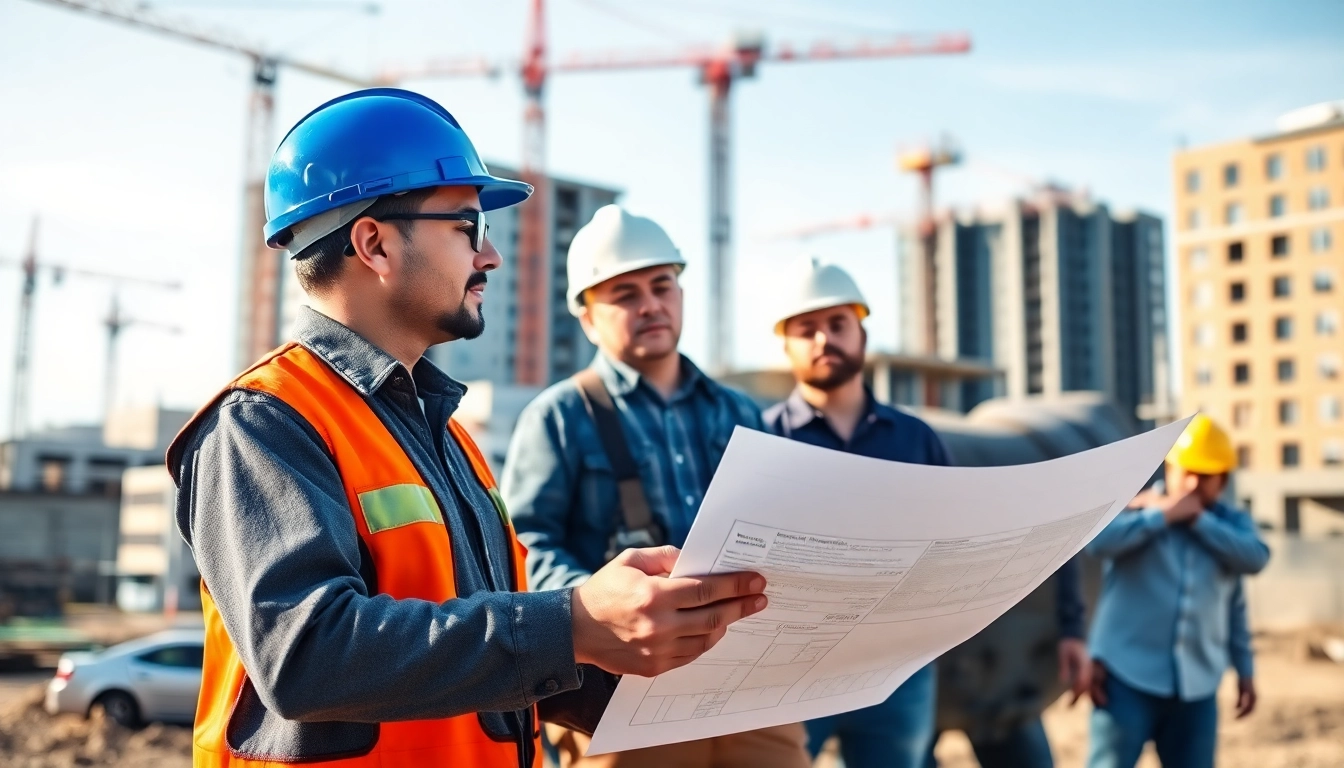
A New Jersey General Contractor acts as a pivotal figure in construction projects, ensuring that every aspect is executed seamlessly. From managing timelines to coordinating various trades, their role is multifaceted, making it essential for homeowners and developers to understand their responsibilities and value.
Responsibilities of a New Jersey General Contractor
New Jersey General Contractors carry a plethora of responsibilities that significantly influence the success of construction projects. Here are some of their primary duties:
- Project Management: Overseeing the entire construction process, including scheduling, budgeting, and resource allocation.
- Coordination of Trades: Coordinating subcontractors, suppliers, and laborers ensures that all components work together efficiently.
- Compliance with Regulations: Ensuring that the project meets all local building codes, safety standards, and zoning laws in New Jersey.
- Quality Control: Conducting regular inspections and assessments to maintain the quality of work during construction.
- Communication: Serving as the primary point of contact for clients, updating them on progress and addressing any concerns promptly.
Benefits of Hiring a New Jersey General Contractor
The advantages of hiring a New Jersey General Contractor extend beyond simple project execution. Below are key benefits:
- Expertise: General Contractors have extensive knowledge of the construction process and local regulations.
- Time Savings: They handle scheduling and unforeseen complications, allowing clients to focus on other matters.
- Cost Efficiency: Their established relationships with subcontractors and suppliers often lead to better pricing and resource management.
- Problem Solving: They are adept at quick problem resolution, minimizing delays and unexpected costs.
Key Qualifications to Look For
When choosing a New Jersey General Contractor, certain qualifications stand out as markers of reliability and skill:
- Licensing and Insurance: Confirm that the contractor holds appropriate licenses and liability insurance.
- Experience: Look for contractors with a robust portfolio relevant to your specific project type.
- References: Previous client testimonials and referrals provide insight into their working style and reliability.
- Communication Skills: Effective communication is crucial; look for contractors who are responsive and clear in their explanations.
Assessing Your Project Needs
Types of Projects Managed by a New Jersey General Contractor
Different projects require varying levels of expertise and management. Here are common types managed by general contractors:
- Residential Construction: Involving new homes, renovations, and home additions.
- Commercial Projects: Covering office buildings, retail spaces, and industrial facilities.
- Public Works: Including construction for municipalities such as schools and parks.
- Remodeling Projects: Upgrading existing structures for better functionality or aesthetics.
Budgeting for Your Construction Project
A comprehensive budget lays the foundation for successful project execution. Consider the following steps:
- Itemized Costs: Break down expected expenses into specific categories such as materials, labor, and permits.
- Contingency Fund: Set aside 10-15% of your total budget for unexpected expenses that may arise during construction.
- Prioritize Needs: Determine which aspects of your project are non-negotiable and which can be adjusted based on budget constraints.
Setting Realistic Timelines
A clear timeline is essential to track progress and meet deadlines effectively. Steps include:
- Define Milestones: Establish major milestones for each phase of the project.
- Be Flexible: Account for potential delays due to weather, inspections, or material shortages.
- Consult with Your Contractor: Leverage your general contractor’s experience to develop achievable timelines.
Researching Potential Contractors
Finding Reputable New Jersey General Contractors
Finding a qualified New Jersey General Contractor involves thorough research through various channels, including:
- Online Directories: Utilize resources like the Better Business Bureau and local trade associations to find certified professionals.
- Social Media and Networking: Ask for recommendations through community groups on platforms like Facebook or LinkedIn.
- Past Projects: Review contractor websites for portfolios showcasing completed projects relevant to your needs.
Evaluating Online Reviews and References
Online reviews can provide crucial insights, but it’s essential to evaluate them critically:
- Look for Patterns: Rather than focusing on individual reviews, assess overall trends in feedback.
- Balance Positive and Negative: Understand both the strengths and weaknesses mentioned by past clients.
- Follow Up on References: Contact previous clients to inquire about their experiences and satisfaction levels.
Conducting Initial Interviews
A face-to-face meeting or virtual conference can offer deeper insights into contractor suitability:
- Discuss Experience: Inquire about their past projects and their experiences with similar builds.
- Project Vision: Share your project ideas and gauge their understanding and enthusiasm.
- Problem-Solving Approach: Ask how they handle setbacks or unexpected issues, as this reveals their readiness to adapt.
Making the Final Decision
Comparing Bids from New Jersey General Contractors
Once you have multiple bids, compare them carefully to ensure fair assessment:
- Detailed Breakdown: Ensure that bids provide an itemized list of costs for transparency.
- Scope of Work: Compare the scope of services included to identify any discrepancies.
- Value versus Cost: Don’t just consider the lowest bid; look for quality and value for money.
Understanding Contracts and Agreements
Contracts protect both parties and ensure clear expectations. Key elements include:
- Scope of Work: A clear description of the work to be done, deadlines, and milestones.
- Payment Schedule: Details on how payments will be structured based on project completion stages.
- Dispute Resolution Clause: Provisions for resolving disagreements or disputes that may arise.
Ensuring Clear Communication
Effective communication fosters a positive contractor-client relationship. Tips for maintaining clarity include:
- Regular Updates: Stay informed about progress and any changes to timelines or budgets.
- Open Dialogue: Encourage questions and discussions to clarify any uncertainties throughout the project.
- Document Everything: Keep records of all communications, agreements, and changes to establish accountability.
Common FAQs About New Jersey General Contractors
What is the average cost to hire a New Jersey General Contractor?
The average cost varies depending on project scope but typically ranges between 10-20% of the overall project costs. Factors include project complexity and contractor experience.
How long does a typical project take with a New Jersey General Contractor?
The timeline depends heavily on the project type and size. A new home build might take several months, while small renovations could complete in a few weeks.
Are New Jersey General Contractors licensed?
Yes, New Jersey requires general contractors to be licensed. Licensing protects consumers and ensures compliance with the state’s building codes and regulations.
What should I ask a New Jersey General Contractor before hiring?
Key questions include their experience with similar projects, communication protocols, how they handle setbacks, and references from past clients.
How can I ensure my New Jersey General Contractor meets deadlines?
Set clear timelines in the contract, maintain regular communication, and establish accountability for milestones with your contractor.