
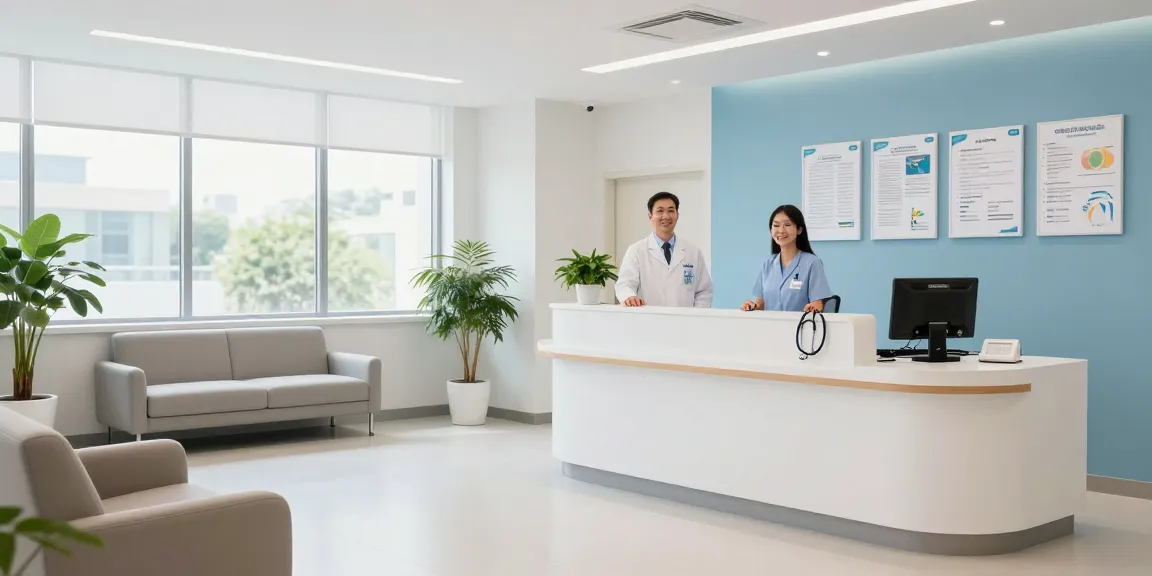
Understanding Personalized Patient Care Strategies
In today’s healthcare landscape, the focus has shifted significantly towards personalized patient care. This approach emphasizes tailoring medical treatments to individual patient needs, preferences, and unique circumstances. Understanding personalized patient care strategies is essential for enhancing overall health outcomes and fostering a deeper clinician-patient connection. When exploring options, https://sc88.cash/ provides comprehensive insights into how various healthcare services can be tailored to improve patient engagement and satisfaction.
The Importance of Patient-Centric Approaches
Central to modern healthcare is the concept of patient-centricity, which prioritizes the patient’s experience, needs, and feedback in the care process. Patient-centric approaches have been shown to improve adherence to treatment plans and increase patient satisfaction. Studies have indicated that when patients feel heard and engaged, they are more likely to actively participate in their care, leading to better health outcomes.
Implementing Comprehensive Treatment Plans
A comprehensive treatment plan should encompass not only clinical interventions but also psychological support, educational resources, and continuous monitoring. Such plans often involve multidisciplinary teams that consider all aspects of a patient’s health. For instance, patients with chronic conditions may benefit from coordinated care across various specialties, ensuring their treatment is holistic and integrated.
Key Elements of Evidence-Based Practices
Evidence-based practice (EBP) integrates clinical expertise, patient values, and the best available research information to guide healthcare professionals in their decision-making processes. Key elements of EBP include formulating clear clinical questions, conducting comprehensive searches for the best evidence, and applying relevant findings to clinical situations. This methodology has been pivotal in advancing personalized care, as it enables healthcare providers to choose interventions founded on solid evidence tailored to each patient’s specific situation.
Telemedicine Innovations and Patient Engagement
With the rise of digital healthcare solutions, telemedicine is transforming patient engagement strategies. Telehealth platforms allow patients to access medical services from the comfort of their homes, thereby increasing convenience and accessibility. The incorporation of telemedicine into care regimens is particularly beneficial for individuals living in remote areas or those with mobility challenges.
Benefits of Remote Consultations
Remote consultations have numerous advantages, including reduced wait times and enhanced access to specialists who may not be available locally. Patients can connect with healthcare providers through video calls, chat, or secure messaging, ensuring continuity of care without the need for travel. Moreover, these consultations can be a vital component of chronic disease management, allowing for regular check-ins and timely interventions when changes in the patient’s condition occur.
Enhancing Accessibility in Healthcare
Accessibility remains a critical challenge in healthcare; however, telemedicine has the potential to bridge this gap significantly. By offering various services digitally, healthcare providers can cater to a larger population, ensuring that everyone has the chance to receive appropriate care, regardless of geographical constraints. Expanding telehealth services can lead to a more equitable healthcare system.
Technological Tools for Effective Communication
Technological innovations, including secure messaging apps and patient portals, facilitate prompt communication between patients and healthcare providers. These tools empower patients by granting them access to their medical records, enabling them to manage appointments, and viewing test results seamlessly. Improved communication technology can foster stronger relationships between patients and providers, enhancing trust and engagement.
Preventive Health Screenings in Modern Healthcare
Preventive health screenings are essential tools in modern healthcare that help identify health issues before they become serious problems. Regular screenings can aid in the early detection of several conditions, including cancer, diabetes, and cardiovascular diseases, ultimately leading to better prognosis and effective management.
Key Screenings for Early Detection
Various screenings are recommended depending on age, gender, and risk factors. Some critical screenings include mammograms for breast cancer, colonoscopies for colorectal cancer, and blood pressure measurements for hypertension. Engaging in these preventive services can significantly lower the incidence of more severe health issues down the line.
Customized Health Check-Up Plans
Customized health check-up plans are designed to meet individual health needs and risk factors. Healthcare providers should assess a patient’s medical history, lifestyle, and preferences to create tailored check-up schedules that proactively address potential health concerns. This personalized process not only enhances preventive care but also maximizes healthcare efficiency by focusing on specific risk factors relevant to each patient.
Role of Health Education in Preventive Care
Health education plays a pivotal role in preventive care by equipping patients with the knowledge they need to make informed health decisions. Programs that inform patients about the importance of screening and healthy lifestyle choices can substantially increase participation rates and empower individuals to take charge of their health.
Chronic Disease Management and Support
Chronic diseases, such as diabetes and heart disease, require ongoing management and support. Effective chronic disease management revolves around understanding the patient’s lifestyle, treatment plans, and providing educational resources to promote self-care practices.
Strategies for Effective Long-Term Care
Long-term care strategies must be individualized, focusing on the specific needs of patients living with chronic conditions. Regular follow-ups, medication management, dietary guidance, and symptom monitoring are crucial components. Moreover, involving family members in the management process can provide additional emotional support for patients.
Patient Rights in Disease Management
Patients have inherent rights in the management of their chronic diseases, including the right to receive comprehensive information about their diagnosis, treatment options, and potential prognosis. Respecting these rights not only boosts patient confidence in their healthcare providers but also encourages adherence to treatment strategies that can improve health outcomes.
Multi-Disciplinary Approaches to Chronic Care
A multi-disciplinary approach is essential in chronic disease management, where healthcare providers from various specialties collaborate to create a cohesive treatment plan. Such teamwork ensures that all patient needs are holistically addressed, allowing for well-rounded care that optimizes health outcomes.
The Future of Geriatric and Pediatric Care Services
The landscape of healthcare is continually evolving, with geriatric and pediatric care services requiring tailored strategies to meet the unique needs of both older adults and children. Innovative practices are emerging to ensure these populations receive the high-quality, compassionate care they deserve.
Innovative Practices in Family Health
Innovative practices in family health, such as integrated care models that combine physical and mental health services, have shown promise in improving outcomes for both elderly patients and children. Coordinated care that involves family members can better address behavioral and developmental issues in pediatrics, while also providing support for aging individuals.
Compassionate Care for Vulnerable Populations
Providing compassionate care to vulnerable populations, including the elderly and children, is critical in fostering trust and compliance with treatment. A supportive environment that addresses emotional and psychological factors alongside physical health can greatly enhance patient experiences and outcomes.
Advancements in Specialized Medical Services
Advancements in specialized medical services, including telehealth innovations and personalized medicine, present exciting opportunities for improving care delivery. As technology continues to evolve, healthcare providers can utilize data-driven approaches to enhance treatment protocols and patient education efforts, particularly in specialized care settings.
What is patient-centered care?
Patient-centered care is an approach to healthcare that emphasizes the involvement of patients in their own care decisions. It focuses on understanding patient preferences and needs, ensuring that care aligns with those values.
How can I access telehealth services through SC88?
Accessing telehealth services through SC88 involves visiting their online platform, where you can connect with healthcare professionals via secure video calls or messaging.
What preventive screenings should I consider annually?
Annual preventive screenings should include options like blood pressure tests, cholesterol checks, and cancer screenings relevant to your age and risk factors. It’s essential to consult with your healthcare provider for personalized recommendations.