
Understanding Vibration Control
What is Vibration Control?
Vibration control refers to the methods and technologies used to mitigate unwanted vibrations in various settings, particularly in industrial environments. This involves understanding how vibrations are generated and propagated and implementing solutions to minimize their impact. By utilizing vibration control strategies, organizations can reduce noise, enhance equipment lifespan, and ensure safer operations. Effective Vibration Control not only addresses mechanical issues but also contributes to overall operational efficiency.
Importance of Vibration Control in Industry
In modern industries, managing vibrations is crucial for many reasons. Firstly, excessive vibrations can lead to premature wear and tear of machinery, ultimately resulting in costly downtime and maintenance. Additionally, vibrations can compromise the integrity of sensitive equipment, affecting accuracy and performance. Beyond machinery, vibrations can also pose hazards to worker safety and comfort. Therefore, implementing robust vibration control strategies is essential for optimizing production processes, enhancing product quality, and ensuring worker safety.
Types of Vibration Control Technologies
Several technologies exist for effective vibration control, which can generally be classified into passive, active, and semi-active systems:
- Passive Systems: These systems absorb or dampen vibrations without external power. Examples include rubber mounts, springs, and viscoelastic materials.
- Active Systems: Utilizing sensors and actuators, active systems automatically adjust to current vibration levels. They can react in real-time, providing high levels of control, but may involve complex setups.
- Semi-Active Systems: These systems combine elements of both passive and active control, offering flexible and efficient responses to changing vibration conditions.
Common Sources of Vibrations
Mechanical Equipment
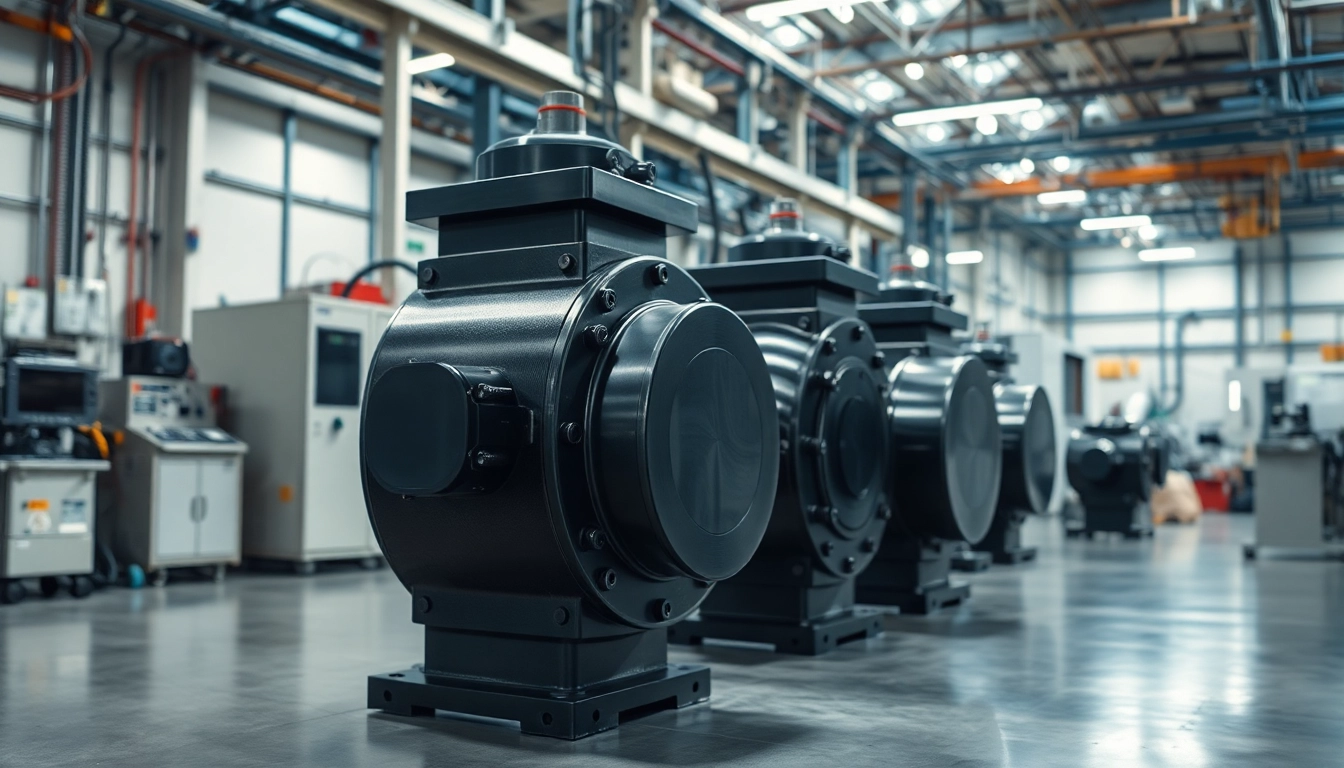
Machinery and mechanical equipment are among the primary sources of vibrations in industrial settings. Poor alignment, imbalance in rotating components, and wear over time can all lead to excessive vibrations. Equipment such as pumps, compressors, and motors often require careful monitoring and maintenance to minimize vibration levels.
Environmental Factors
Vibrations can also stem from external environmental forces, including natural phenomena like earthquakes and wind, as well as human-made factors such as traffic vibrations from nearby roads or railways. These factors can significantly impact sensitive equipment and processes if not adequately accounted for in the design and layout of industrial facilities.
Operational Practices
The way machines are operated can contribute to vibrations. For example, abrupt starts and stops, or running equipment beyond its design specifications, can exacerbate vibration issues. Employee training and adherence to best operational practices are vital for reducing these vibrations.
Best Practices for Implementing Vibration Control
Conducting Vibration Analysis
Before implementing vibration control solutions, organizations should conduct thorough vibration analysis to understand the sources and magnitudes of vibrations. This often involves using specialized equipment to measure vibration levels across various frequencies and components, helping to identify critical areas for intervention. Regular assessments will also facilitate ongoing monitoring and improvement of vibration control measures.
Integrating Vibration Control Solutions
Once analysis is complete, it’s time to integrate appropriate vibration control solutions. This might involve installing vibration dampers, designing equipment layouts that minimize disturbance, or employing advanced technologies for active vibration control. Each industry may require tailored solutions based on specific operational demands and vibration sources.
Regular Maintenance and Monitoring
Continuing maintenance is crucial for ensuring that implemented vibration control systems remain effective. Regular inspection, timely repairs, and updates based on wear and shifting operational parameters will help mitigate vibrations continually. Utilizing predictive maintenance through vibration monitoring can prevent significant failures and enhance equipment reliability over time.
Evaluating Vibration Control Performance
Key Performance Metrics
To ascertain the effectiveness of vibration control strategies, organizations can use several key performance metrics. These might include:
- Vibration Severity Levels: Measured in terms of acceleration, velocity, or displacement.
- Equipment Performance: Evaluating output quality and equipment lifespan before and after implementing control measures.
- Downtime History: Analyzing maintenance records and breakdowns related to vibration issues.
Common Challenges and Solutions
Despite best efforts, companies often encounter challenges when implementing vibration control strategies. These may include resistance to change from employees, underestimating the complexity of vibrations, or simply not having the right technology in place. Addressing employee buy-in through education, ensuring access to the latest vetted technologies, and adopting a phased approach to implementation can help overcome these hurdles.
Case Studies of Successful Implementations
Through the analysis of successful vibration control implementations, organizations can extract valuable insights. For example, a plant that upgraded its machinery with state-of-the-art vibration monitoring systems reported a 30% reduction in equipment failures and increased production efficiency. Such case studies emphasize the importance of tailored solutions and proactive measures in vibration management.
FAQs About Vibration Control
How does vibration control improve productivity?
Vibration control enhances productivity by minimizing equipment wear and failures, ensuring smooth operations, and reducing noise levels, which improves worker satisfaction and efficiency.
What are the costs associated with vibration control systems?
Costs can vary widely depending on the technology and systems chosen, ranging from minor upgrades to extensive installations. However, long-term savings from reduced maintenance and downtime often outweigh initial investments.
Can vibration control reduce equipment failure?
Yes, effective vibration control significantly reduces equipment failure by limiting excessive wear and tear, providing early warnings for potential issues, and extending equipment lifespan.
What is the best way to measure vibration?
The best way to measure vibration is to use accelerometers that record amplitude and frequency. Other methods include vibration meters and advanced vibration analysis software.
How do I choose the right vibration control solution?
Selecting the right solution involves analyzing specific application needs, considering the types of vibrations present, and reviewing both the technological options and budget for implementation.