
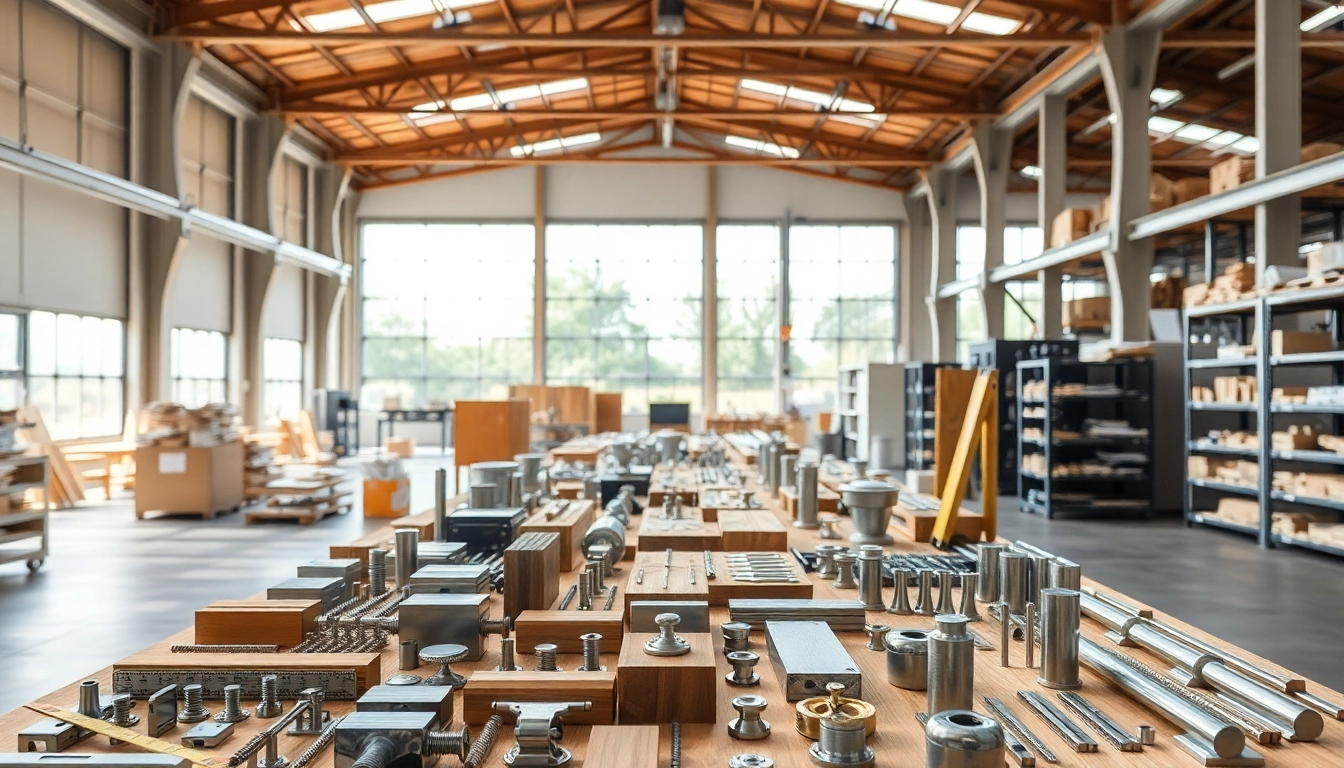
- Introduction to Furniture Hardware Manufacturers
- Types of Hardware Offered by Furniture Hardware Manufacturers
- Choosing the Right Hardware for Your Furniture Projects
- Best Practices from Top Furniture Hardware Manufacturers
- Future of the Furniture Hardware Industry
- FAQs About Furniture Hardware Manufacturers
Introduction to Furniture Hardware Manufacturers
In the world of furniture design, the significance of hardware is often underestimated. Furniture hardware manufacturers play a crucial role in bridging the gap between aesthetic appeal and functional durability. From the subtle elegance of drawer pulls to the sturdy robustness of hinges, the types of hardware used can significantly influence both the style and longevity of furniture. This article aims to dissect the various facets of furniture hardware, explore the latest trends shaping the industry, and provide insights on making educated choices in hardware selection.
Understanding the Role of Hardware in Furniture Design
Hardware functions as the backbone of furniture design. It not only enhances usability but also complements the overall aesthetic. Whether it’s a modern minimalist piece or a traditional antique, the right hardware can elevate its design. The function of hardware extends beyond mere support; it operates as an integral part of the furniture’s character. For example, ornate handles can add a vintage touch, while sleek, modern knobs may enhance a contemporary look. Understanding this symbiosis is critical for designers and manufacturers alike.
Key Characteristics of Quality Furniture Hardware
When evaluating furniture hardware, several characteristics define quality. Durability is paramount; hardware must withstand daily use without degrading. Aesthetic appeal is equally important, as visually pleasing hardware can enhance the overall look of furniture. Moreover, ease of installation and maintenance should not be overlooked; hardware that simplifies assembly is favored by both manufacturers and consumers. Materials used also play a critical role – high-quality metals or premium plastics stand the test of time, adding to both functionality and design integrity.
The Current Trends in Hardware Manufacturing
Today’s market is witnessing a shift towards customization in furniture hardware. Consumers increasingly seek personalized solutions that reflect their style, pushing manufacturers to offer a broader range of finishes, styles, and functionalities. Sustainable sourcing is another prominent trend, with an emphasis on eco-friendly materials and manufacturing methods. Additionally, smart hardware is gaining traction; components that integrate technology, such as soft-close mechanisms or smart locks, are becoming more desirable. These trends illustrate a move toward innovation, sustainability, and user-centric design.
Types of Hardware Offered by Furniture Hardware Manufacturers
Common Categories of Furniture Hardware
Furniture hardware can be broadly categorized into several key areas, each serving a specific function. Common categories include:
- Hinges: Essential for doors and lids, hinges facilitate movement while ensuring stability.
- Knobs and Pulls: These add style and ease of access to drawers and cabinets.
- Slides: Critical for smooth drawer operations, these components enhance user experience.
- Locks: Important for security and privacy in furniture setups, especially in cabinets.
- Brackets: Often used to reinforce structure in shelving and other assemblies.
Each category serves a unique purpose and can dramatically impact both the functionality and aesthetic appeal of the furniture it complements.
Materials Used in Furniture Hardware Production
Quality materials are foundational in the manufacture of furniture hardware. Common materials include steel, brass, aluminum, and various plastics. Steel is favored for its strength and durability, making it ideal for load-bearing hardware. Brass is often chosen for its aesthetic properties and resistance to corrosion, lending a vintage charm to pieces. Aluminum offers a lightweight option without sacrificing strength, while plastics can provide a cost-effective and versatile alternative. The choice of material ultimately influences the hardware’s performance and longevity.
Innovative Hardware Solutions for Modern Furniture
Innovation in furniture hardware is currently focused on enhancing functionality and adaptability. Sliding mechanisms designed for modular furniture are becoming more prevalent, allowing users to alter configurations easily. Additionally, the integration of smart technology into hardware, such as IoT-compatible locks and motion-sensor lighting, represents a futuristic approach to furniture design. These innovative solutions not only cater to contemporary consumer needs but also redefine the interaction between user and furniture.
Choosing the Right Hardware for Your Furniture Projects
Factors to Consider When Selecting Hardware
Selecting the appropriate hardware for furniture projects involves careful consideration of multiple factors. Firstly, the style of the furniture must align with the hardware’s design. A vintage table would benefit from ornate brass fittings, while a sleek, modern desk may need minimalist stainless-steel handles. Secondly, the intended use of the furniture influences hardware choice; heavier-duty options are necessary for items frequently used or requiring additional support. Lastly, budget constraints often determine the selection, as premium materials and innovative designs usually come with higher costs.
How to Match Hardware with Furniture Style
Achieving harmony between hardware and furniture style enhances the overall aesthetic. To match hardware effectively, start by identifying the primary design elements of the furniture. For instance, furniture with clean lines often pairs best with minimalist hardware. In contrast, more intricate pieces might benefit from elaborate knob designs that echo the furniture’s motifs. Color finishes should also complement the primary hues of the furniture, whether through contrasting or complementary designs that create a cohesive look.
Evaluating Quality: What to Look For
When assessing the quality of furniture hardware, several key indicators come into play. First, examine the weight; heavier hardware typically indicates higher quality materials, often leading to greater durability. Next, consider the manufacturing finish, ensuring that it is smooth and free from imperfections. Functional tests, such as checking the fit and movement of sliding mechanisms or hinges, can also provide insights into the quality. Lastly, a manufacturer’s reputation can be a valuable indicator of quality, so researching trusted brands is essential.
Best Practices from Top Furniture Hardware Manufacturers
Production Techniques That Enhance Quality
The production techniques employed by leading furniture hardware manufacturers significantly impact the final product’s quality. Techniques like precision machining, where components are crafted using advanced machinery to ensure exact tolerances, greatly enhance hardware performance. Another method is powder coating, which provides a durable finish that resists scratches and corrosion while offering an array of aesthetic options. Additionally, quality control measures, including rigorous testing protocols, help maintain standards and ensure only the highest quality products reach consumers.
Sustainability Practices in Hardware Manufacturing
As environmental concerns continue to grow, sustainability practices in hardware manufacturing have become increasingly vital. Many manufacturers are adopting eco-friendly materials, such as recycled metals and bio-based plastics, to reduce their environmental footprint. Energy-efficient manufacturing processes are also gaining traction, which minimize waste and lower emissions. These practices not only reflect corporate responsibility but also resonate with consumers who prioritize sustainability in their purchasing decisions.
Case Studies: Successful Collaborations
Successful collaborations between furniture designers and hardware manufacturers often yield remarkable results. For example, various furniture lines have emerged from partnerships that focus on integrating innovative hardware solutions, such as soft-close drawers or modular systems that allow for customizable furniture arrangements. These case studies exemplify how collaboration can lead to enhanced functionality and aesthetic appeal, ultimately resulting in an elevated user experience. The lessons learned from such collaborations can serve as valuable blueprints for future projects.
Future of the Furniture Hardware Industry
Technological Advancements Changing the Landscape
The future of the furniture hardware industry is poised for significant transformation driven by technology. Advancements such as 3D printing are enabling rapid prototyping and reduced production costs, which can accelerate product development timelines. Smart hardware, capable of connecting to smart home systems, is set to grow, providing innovative solutions that enhance user interaction with furniture. Additionally, augmented reality (AR) tools are emerging, allowing consumers to visualize how different hardware will look on their furniture before purchasing.
Market Insights: Consumer Preferences and Predictions
Understanding consumer preferences is crucial for predicting future trends in the furniture hardware market. Increasing demand for customizable solutions highlights a shift towards personalized products tailored to individual tastes. Moreover, consumers are demonstrating a heightened awareness of sustainability, influencing manufacturers to prioritize eco-friendly materials and practices. The emphasis on functionality continues to drive interest in specialized hardware that offers convenience and enhanced user experience. As these trends evolve, manufacturers must adapt to meet shifting consumer expectations.
Preparing for Future Trends in Hardware Design
To prepare for future trends in hardware design, manufacturers need to remain agile and responsive to market changes. Investing in research and development programs will be essential for staying ahead of the curve. Emphasizing sustainability and innovation in product design can position businesses favorably in a competitive landscape. Additionally, fostering collaborations with designers and architects can provide insights into upcoming trends, allowing manufacturers to align their offerings with evolving consumer demands effectively.
FAQs About Furniture Hardware Manufacturers
What materials are commonly used in furniture hardware?
Typical materials include steel, brass, aluminum, and high-quality plastics, each chosen for properties like strength, durability, and aesthetics.
How can I ensure the hardware matches my furniture style?
Identify the design elements of your furniture and select hardware that complements those features in both style and finish for a cohesive look.
What characteristics should I look for in quality furniture hardware?
Focus on durability, aesthetic appeal, ease of installation, and quality of materials to determine the standard of the hardware.
Are there sustainable materials for furniture hardware?
Yes, many manufacturers are now utilizing recycled metals and eco-friendly plastics in their hardware production to promote sustainability.
What innovations are emerging in the furniture hardware industry?
Innovations like smart hardware integrations and advanced production techniques, such as 3D printing, are rapidly changing the hardware landscape.


