
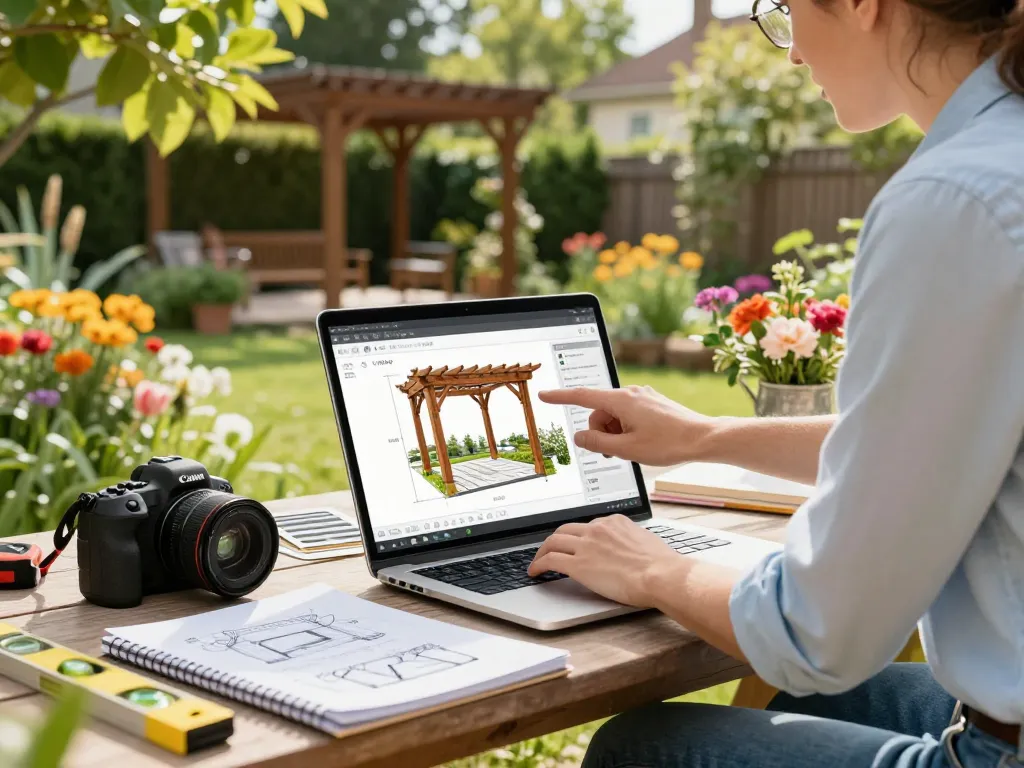
Understanding the Pergola Configurator
The beauty of outdoor living spaces can be greatly enhanced by incorporating a well-designed pergola. A pergola configurator is an innovative tool that empowers homeowners and designers alike to craft custom pergolas that perfectly fit their needs and aesthetics. With the ability to visualize and modify designs in real-time, these configurators simplify the often complex process of outdoor design, making it accessible to everyone from DIY enthusiasts to professional landscapers.
What is a Pergola Configurator?
A pergola configurator is a digital tool or software that allows users to design and visualize custom pergolas. Users can select various design elements, such as size, shape, materials, and additional features. The configurator often provides 3D visualizations, allowing users to see how their choices will look in a realistic setting. This interactive experience not only aids in planning but also fosters creativity and personalization in outdoor spaces.
Key Features of a Pergola Configurator
- User-Friendly Interface: Most configurators offer intuitive navigation, making it easy for anyone to start designing.
- 3D Visualization: Users can view their design from multiple angles, ensuring they understand how their pergola will fit into their environment.
- Customization Options: Configurators allow for a wide range of choices, from materials and colors to sizes and styles.
- Cost Estimation: Some configurators provide on-the-spot pricing based on the selected features, aiding in budgeting.
- Real-time Modifications: Users can instantly see changes to their design, making it easy to experiment with different options.
Benefits of Using a Pergola Configurator
Utilizing a pergola configurator offers several advantages beyond mere convenience. Firstly, it enhances the decision-making process by allowing homeowners to visualize their ideas clearly. This ability to see a design before purchasing significantly reduces the likelihood of buyer’s remorse. Moreover, configurators speed up the design process, enabling users to create, alter, and finalize projects in a fraction of the time it would take through traditional methods.
Choosing the Right Design Elements
Designing a pergola that complements your home and yard requires careful consideration of various elements. By understanding the available options, users can make informed decisions that maximize both functionality and aesthetic appeal.
Types of Pergola Designs
There are several types of pergola designs to consider, each offering unique characteristics:
- Joined Pergolas: These are attached to a building, providing an extension of indoor living space.
- Free-Standing Pergolas: Ideal for gardens or yards, they do not rely on any existing structure for support.
- Arched Pergolas: Featuring curved beams, these designs add elegance and a softer aesthetic to outdoor spaces.
- Louvered Roof Pergolas: Adjustable slats allow control over sunlight and shade, offering flexibility for different weather conditions.
Materials to Consider for Your Pergola
Choosing the right material is crucial for the longevity and appearance of your pergola. The most common materials include:
- Wood: Traditional and aesthetically pleasing, wood offers a natural look but requires regular maintenance.
- Aluminum: Lightweight, durable, and resistant to rot and corrosion, aluminum is ideal for low maintenance.
- Vinyl: Easy to clean and resistant to fading, vinyl pergolas are a great option for lasting beauty.
- Composite Materials: Made from a mix of wood and plastic, they offer the appearance of wood with enhanced durability.
Customization Options in Pergola Configurators
Customization is where configurators shine. Users can often select from a plethora of options, including:
- Color and finish of materials
- Additional features like lighting, screens, or canopies
- Height and width dimensions
- Styles, such as modern, classic, or rustic
Step-by-Step Guide to Using a Pergola Configurator
Initial Setup and Requirements
To get started, users typically need a device with internet access. Most pergola configurators require no complex downloads or software—simply navigate to the configurator’s webpage and start designing.
Designing Your Pergola: A Step-by-Step Approach
- Choose Your Base Structure: Start with a basic layout, deciding between a free-standing or attached pergola.
- Select Materials: Based on your preferred style and budget, choose materials that suit your needs.
- Add Custom Features: Consider adding features like lighting or retractable canopies for enhanced usability.
- Visualize Your Design: Use the 3D visualization tools to adjust and finalize your design as needed.
- Save and Retrieve Your Design: Most configurators allow you to save your progress, making it easy to return later or share with a contractor.
Finalizing Your Design and Preparation for Installation
Once you are satisfied with your design, compile all the necessary specifications, including measurements and materials. This information is crucial for both budgeting and installation, whether you opt for a DIY approach or hire professionals.
Common Mistakes to Avoid When Using a Pergola Configurator
Overlooking Your Space’s Dimensions
One of the most common errors is not accurately measuring the available space. Accurate dimensions are critical to ensure that your new pergola fits and complements the existing yard layout.
Neglecting Local Regulations and Permits
Before installation, it’s essential to check local building codes and regulations. Some areas require permits for structures like pergolas, and overlooking this can lead to fines and additional costs.
Ignoring Future Maintenance Considerations
When selecting materials, consider the long-term upkeep associated with them. Wooden pergolas may need regular sealing and staining, while aluminum or vinyl may necessitate less frequent maintenance.
Future Trends in Pergola Design and Configuration
Smart Technology Integration in Pergolas
With the rise of smart home technology, future pergolas are likely to incorporate features such as automated shading systems, integrated lighting, and even weather sensing capabilities to optimize outdoor comfort.
Sustainable Materials and Practices for 2026
As environmental awareness increases, the demand for sustainable building practices is on the rise. Expect to see more pergola designs made from recycled or sustainably sourced materials, alongside innovative production methods that reduce waste.
Innovative Customization Options on the Horizon
Customization is evolving. Advanced configurators may soon incorporate AI capabilities that suggest designs based on user preferences or even augmented reality features that allow users to visualize their pergola in their space before committing to a design.
What Should You Consider Before Starting Your Pergola Project?
Before you embark on your pergola project, consider factors such as location, purpose, and your budget. Understanding how you plan to use your new space will inform your design choices and material selections.
How Can a Pergola Enhance Your Property Value?
Investing in a quality pergola can significantly enhance your property’s curb appeal and value. Well-designed outdoor spaces are increasingly sought after by potential buyers, making this addition a worthwhile investment.
Are There Free Pergola Configurator Tools Available?
Many pergola configurators offer free trials or basic versions that allow users to explore design options without financial commitment. However, more advanced features may require a subscription or one-time payment.
What Materials Work Best for Outdoor Pergolas?
The best materials for outdoor pergolas depend on your climate and personal preferences. Generally, aluminum and vinyl are favored for their durability and low maintenance, while wood is chosen for its classic beauty and warmth.
How to Measure Your Space Accurately for a Pergola?
When measuring for a pergola, ensure you account for any obstructions, slopes, or unique features of your yard. Using a tape measure, record the width, depth, and height where you plan to install your pergola.
What are the Benefits of Customizing Your Pergola?
Customization allows homeowners to create an outdoor structure that reflects their style and meets their functional needs, ensuring that the pergola enhances both usability and aesthetics.


